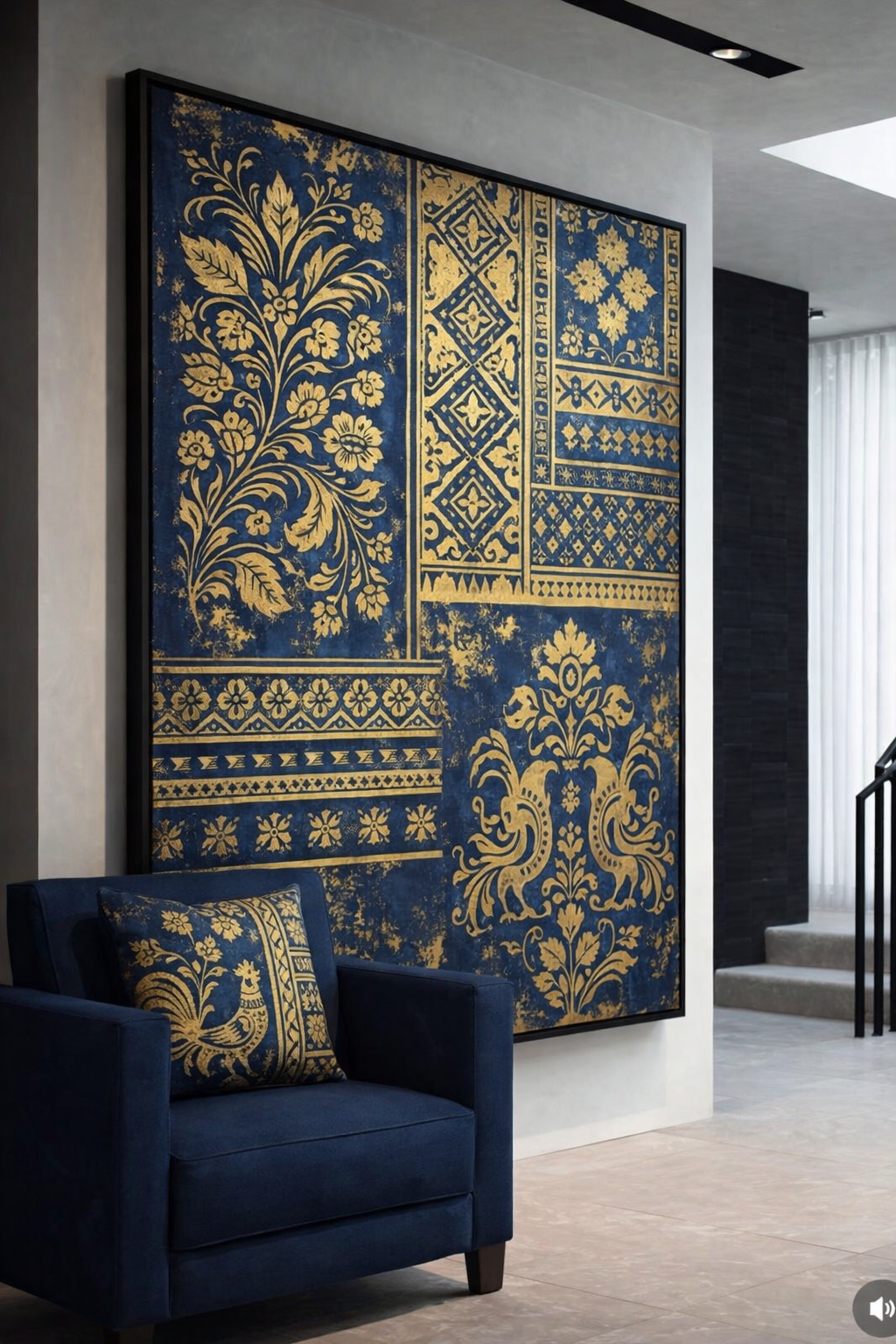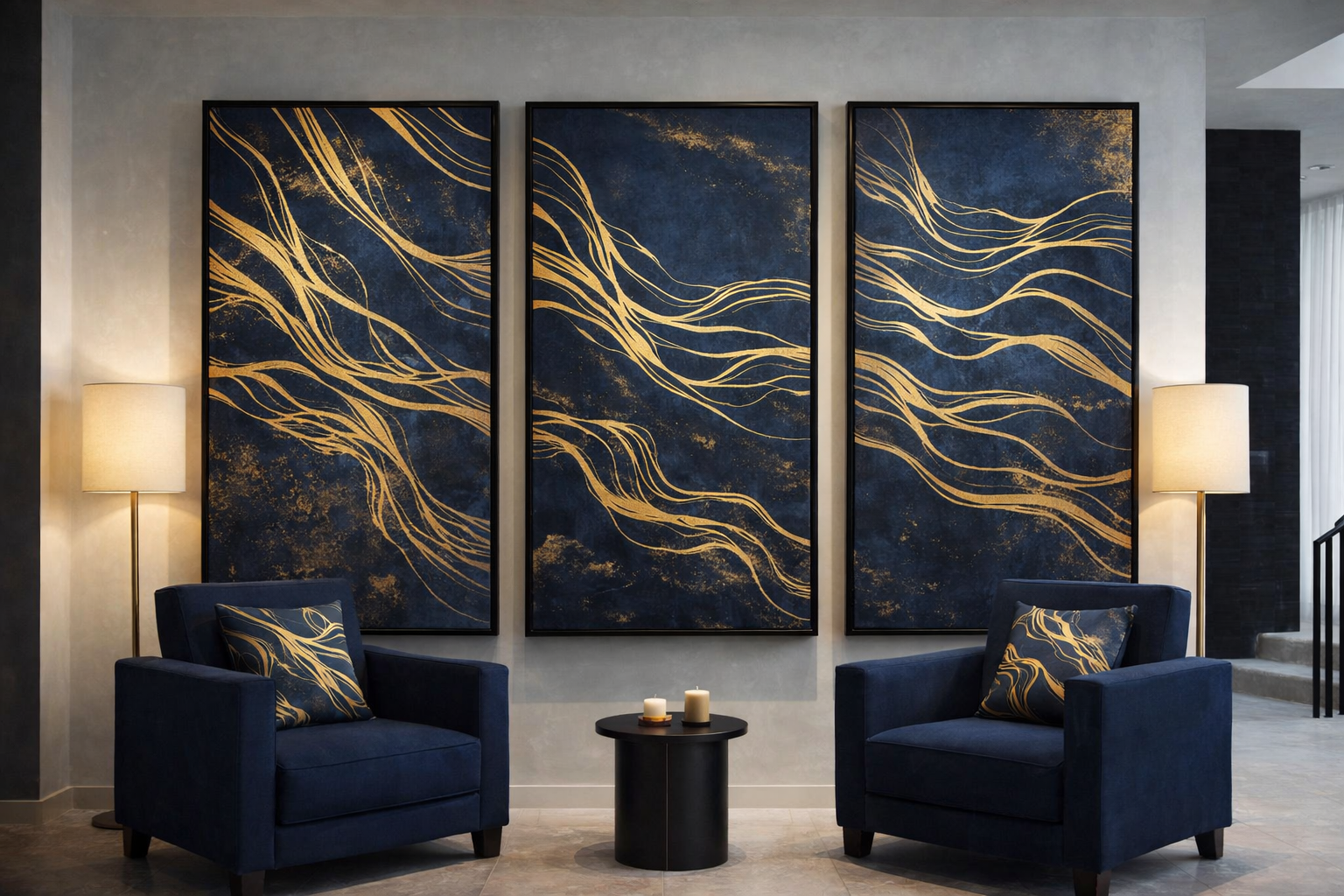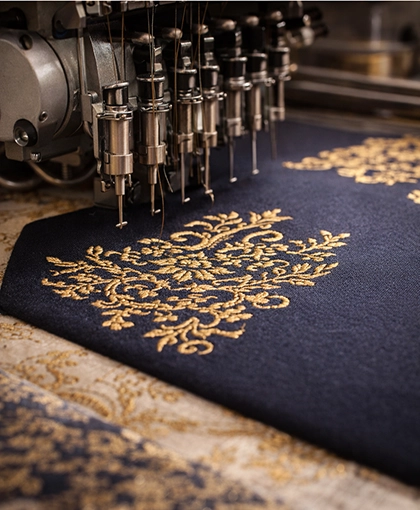
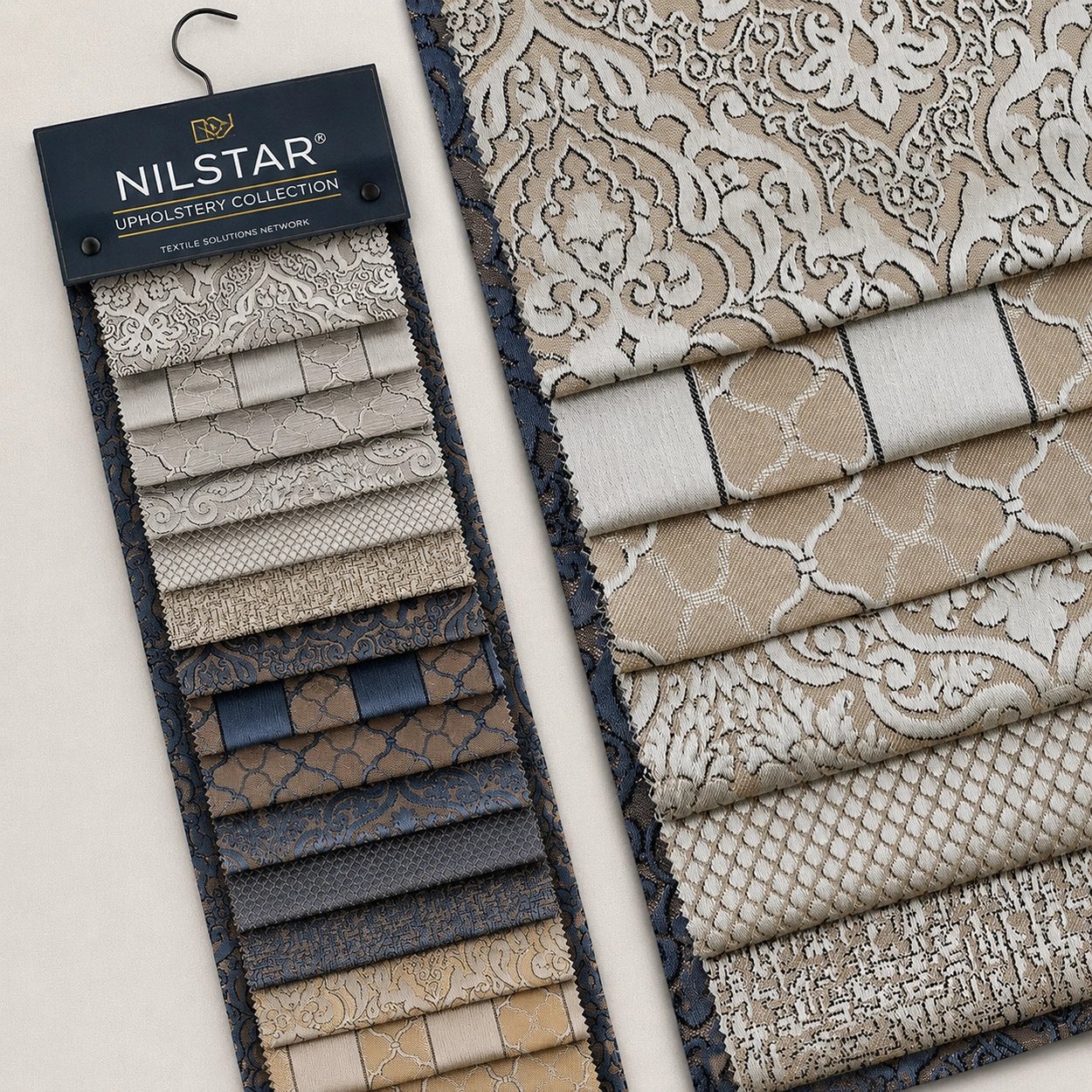
Introduction to Custom Fabric Development
In the realm of hospitality interiors, the significance of custom fabric development cannot be overstated. Tailored fabrics play a pivotal role in shaping the ambiance and enhancing the function of spaces within hotels, restaurants, and bars. The meticulous selection and design of fabrics contribute not only to the aesthetic appeal but also to the durability and practicality of interiors designed for high-traffic settings.
Custom fabrics allow hospitality designers to push the boundaries of creativity. By selecting unique colors, patterns, textures, and materials, they can create environments that reflect the brand identity and experience that the establishment aims to offer. For instance, a luxury hotel may opt for rich, sumptuous materials that exude elegance and comfort, speaking to their target clientele while ensuring durability against wear and tear.
Furthermore, the functional aspect of custom fabric development is critical in hospitality environments, where varied needs must be addressed. Whether it’s selecting stain-resistant textiles for restaurants or flame-retardant materials for hotels, the right fabric choices can enhance safety and ease of maintenance while creating inviting atmospheres. The integration of innovative fabrics can also lead to sustainable options that adhere to eco-friendly practices, which are increasingly desired by modern consumers.
Throughout this article, we will delve deeper into the essential components of custom fabric development, exploring how tailored textiles can be effectively utilized in hospitality interiors. From the initial concept to final implementation, understanding the nuances of fabric selection and design will ultimately influence a guest’s experience. This foundational understanding will set the stage for exploring trends, materials, and technologies shaping the future of hospitality environments.Custom Fabric Development
Understanding the Concept Development Process
The process of developing custom fabric concepts for hospitality interiors involves a meticulous and structured approach that ensures alignment with the client’s vision and brand identity. The initial stages are critical, involving thorough research and planning to establish a foundation for the bespoke fabric design.
At the outset, designers engage in a comprehensive analysis of the client’s requirements. This includes understanding the unique character and ethos of the brand, as well as identifying the target market. This phase is essential as it shapes the creative direction of the fabric development process. Effective communication with the client allows designers to gather insights regarding color preferences, materials, patterns, and functionality needed for the specific hospitality environment.
Subsequently, market research is conducted to inform the development of the fabric concepts. This analysis often includes observing current trends within the hospitality sector, assessing competitors, and identifying potential gaps or opportunities in the market. By integrating this data, designers can create fabrics that not only meet the aesthetic demands of the client but also resonate with the intended clientele.
Furthermore, the concept development process incorporates brainstorming sessions that involve exploring innovative ideas and technical possibilities. Designers may present initial sketches or digital renditions to clients, fostering an interactive dialogue that refines the direction of the project. Feedback during this stage plays a pivotal role in honing the fabric concepts until they align perfectly with the client’s vision.
Ultimately, the understanding of a client’s vision, brand identity, and target market is paramount in developing tailored fabric solutions. This comprehensive approach not only ensures that the end result enhances the overall ambiance of the hospitality space but also serves to strengthen the client’s brand presence within the competitive market.Custom Fabric Development
The Role of Colour Development in Fabric Creation
Colour development plays a crucial role in the creation of custom fabrics, particularly within the hospitality sector, where the choice of hues can significantly influence the atmosphere and perception of a space. The colours chosen for fabric collections not only affect the aesthetic appeal but also evoke specific emotions, impacting the overall experience of guests. For instance, warm tones such as reds and oranges can create a welcoming and lively environment, while cooler tones like blues and greens offer a calming and serene feel.
In addition, the identity of a venue is often tied to its colour palette. For hotels and restaurants, aligning the fabric colours with their branding is vital in maintaining consistency and strengthening their visual message. Designers must consider the existing architecture and interior design elements when selecting colours, ensuring cohesion and harmony throughout the space. Trends in colour development can also shift based on cultural influences, emerging design aesthetics, and seasonality, which necessitates a flexible approach to fabric design.
Effective techniques for colour matching include using Pantone colour systems, which have become a standard reference in the industry. This system allows designers to achieve precise colour replication across varying fabric types. Moreover, digital tools and software can assist in visualizing colour pairings, providing a platform for experimentation prior to physical samples being created. By utilizing both traditional and innovative techniques, designers can ensure that the colours are not only visually appealing but also match the intended mood for hospitality interiors.Custom Fabric Development
Selecting the Right Weave: A Guide to Fabric Types
When it comes to custom fabric development for hospitality interiors, selecting the appropriate weave is essential for achieving both aesthetic appeal and functional longevity. In this guide, we explore various fabric weaves, examining their unique characteristics and suitability for different applications within hospitality environments.
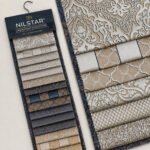
One of the most common weaves is the plain weave, which is characterized by a straightforward over-and-under pattern. This weave type offers high durability and is less prone to fraying, making it ideal for high-traffic areas such as hotel lobbies and dining spaces. Its simplicity also makes it versatile; plain-weave fabrics can easily be dyed or printed, catering to various design requirements while maintaining a robust structure.
Twill weave, on the other hand, introduces a diagonal pattern that enhances the texture of the fabric. This type of weave provides excellent durability and is often favored for upholstery applications due to its ability to hide stains and wrinkles, enhancing the longevity of furnishings. The unique texture of twill also offers a more luxurious appearance, making it a popular choice for upscale dining establishments and boutique hotels.
Satin weave is distinguished by its smooth, glossy surface, providing a high level of drape and elegance. While it is often used for decorative purposes and bedding, its softer texture requires more delicate care. Although satin can evoke a refined look, consideration must be given to its susceptibility to wear and tear in high-traffic areas, which might make it less suitable for certain applications in hospitality settings.
Ultimately, the choice of fabric weave in hospitality interiors can significantly impact both the aesthetic and practical aspects of a space. By understanding the distinct features and maintenance requirements of plain, twill, and satin weaves, designers can make informed decisions that align with the overall vision and functionality of the environment.Custom Fabric Development
Understanding Jacquard Fabrics and Their Applications
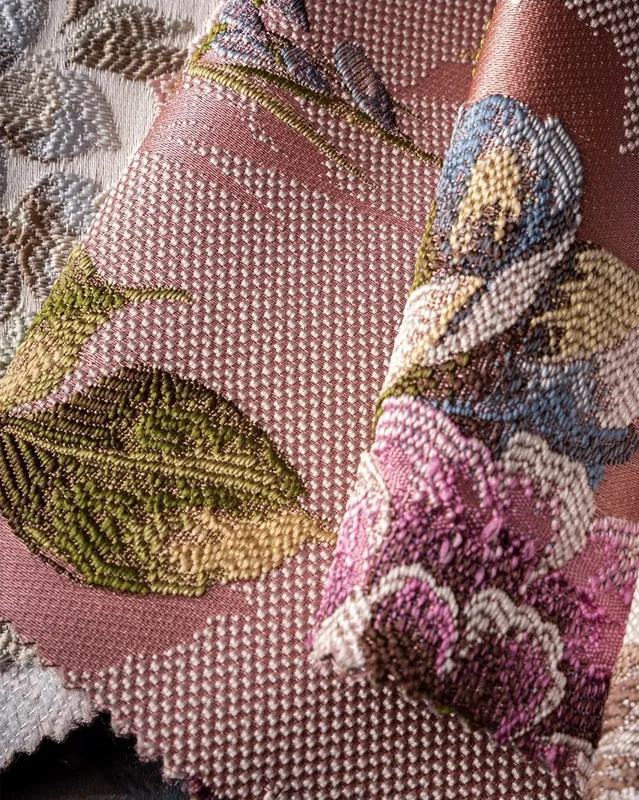
Jacquard fabrics are distinctive textiles characterized by their intricate patterns woven directly into the fabric structure. Named after the French inventor Joseph Marie Jacquard, who developed a loom that enabled the production of complex designs through automated mechanisms, these fabrics offer a unique combination of artistry and functionality. The weaving technique involves the use of a series of harnesses to control individual threads, resulting in detailed patterns and images that can range from simplistic geometric shapes to elaborate motifs.
One of the primary qualities of jacquard fabrics is their versatility, making them an excellent choice for various applications within hospitality interiors. The ability to create elaborate designs allows interior designers to implement bold color schemes and textures that enhance the overall aesthetic of the space. Whether used in upholstery, curtains, or decorative accessories, jacquard fabrics can elevate the visual appeal of hotels, restaurants, and lounges by adding a touch of elegance and sophistication.
Moreover, jacquard fabrics offer practical benefits that align well with the demands of the hospitality industry. Their durability ensures that they can withstand heavy use and frequent cleaning, which is essential in environments where high levels of foot traffic are common. Additionally, the ability to incorporate stain-resistant finishes within the jacquard weaving process further enhances the longevity of these textiles, making them a smart investment for businesses aiming to maintain a polished look over time.
Finally, jacquard fabrics can be tailored to meet specific thematic needs, showcasing a brand’s identity through custom designs. By collaborating with fabric developers, hospitality venues can create exclusive textiles that reflect their unique style and atmosphere, making jacquard an exceptional choice for designers looking to transform interiors into immersive experiences.Custom Fabric Development
Choosing Upholstery Fabrics for Comfort and Durability
When it comes to selecting upholstery fabrics for hospitality interiors, two critical factors stand out: comfort and durability. Hospitality environments, which include hotels, restaurants, and conference centers, require materials that not only withstand frequent use but also provide a welcoming atmosphere for guests. In this regard, the choice of upholstery fabrics can significantly influence both the aesthetic appeal and functionality of the space.
To begin with, the performance of upholstery fabrics is paramount. This encompasses qualities such as abrasion resistance, colorfastness, and the ability to endure cleaning cycles. Fabrics specifically designed for hospitality settings, such as polyester blends and performance textiles, offer enhanced resistance to wear and tear, making them ideal for high-traffic areas. Additionally, these options often feature stain-resistant coatings, which help maintain the appearance of furniture over time, fulfilling the practical needs of hospitality businesses.
Comfort is equally important in upholstery selection. Guests’ seating experiences should be pleasant, encouraging them to linger and enjoy their surroundings. Fabrics that offer a soft touch, such as cotton or linen blends, can enhance comfort levels, while also contributing to an inviting look. It is essential to consider the weight and weave of the fabric; heavier upholstery can provide a more luxurious feel, while lighter fabrics may be more suitable for casual environments.
When recommending fabrics for specific types of hospitality environments, one should consider the context. For luxury hotels, plush velvet or high-quality leather might be appropriate, whereas a trendy bistro could benefit from more contemporary synthetic fabrics. Ensuring a balance between durability and comfort will not only elevate the interior design but also enhance the overall guest experience.Custom Fabric Development
Curtain and Wall Fabrics: Influencing Space Dynamics
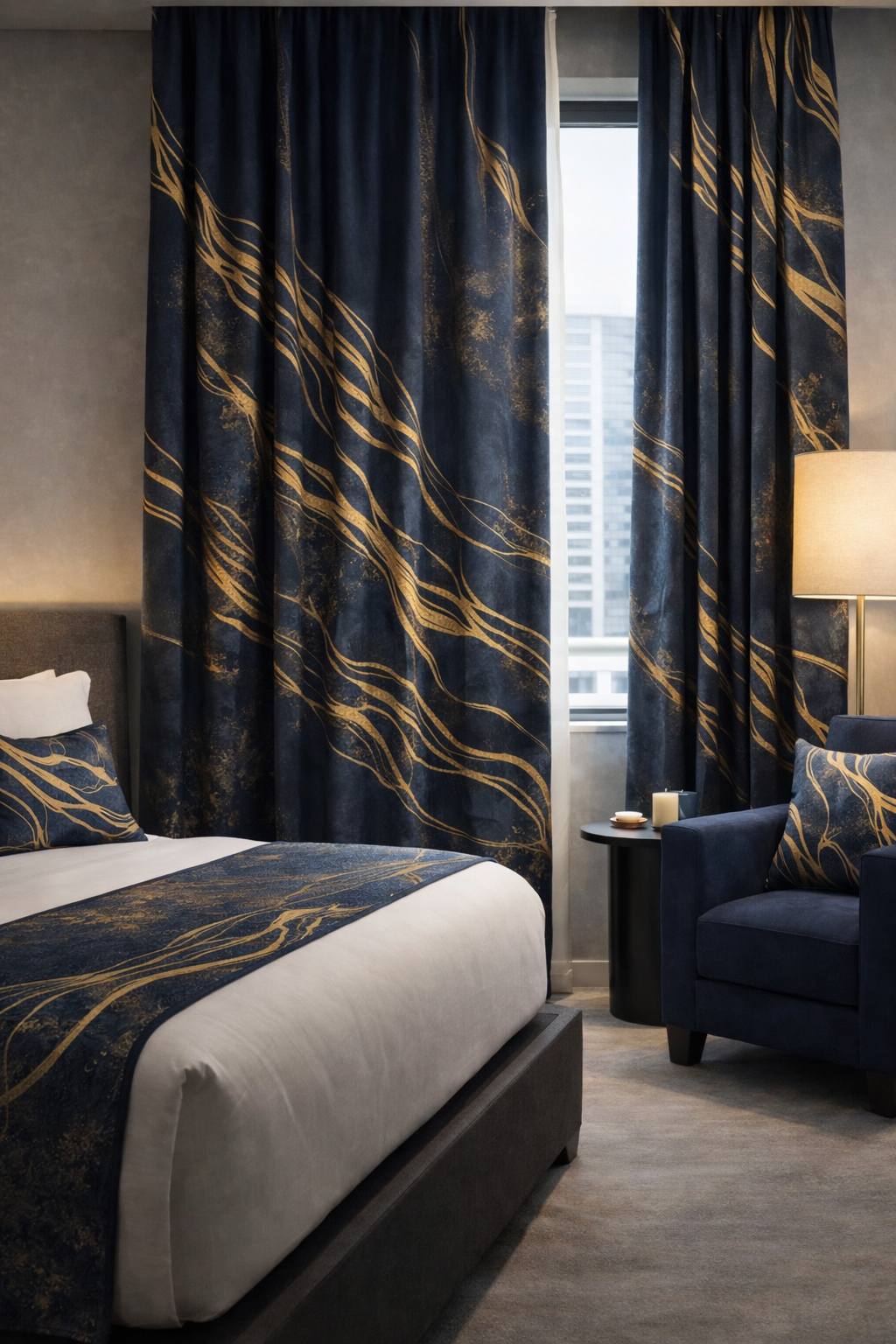
In the realm of hospitality interiors, the choice of curtain and wall fabrics plays a pivotal role in shaping the overall ambiance and functionality of a space. The materials selected not only contribute to the aesthetic appeal but also significantly influence acoustics, lighting, and privacy within establishments such as hotels, restaurants, and conference centers. By understanding the implications of fabric choice, designers can create environments that are both inviting and practical.
Curtain fabrics, for example, are essential for managing natural light and enhancing the acoustic performance of a room. Heavier fabrics like velvets or lined drapes can help absorb sound, making them ideal for settings where noise reduction is paramount. Conversely, lighter fabrics such as sheers can allow for ambient light while offering a subtle layer of privacy. The right selection of curtain fabrics can enhance mood and comfort, balancing illumination with shading effectively.
Similarly, wall fabrics also contribute to the overall design motif and help define the character of the space. Upholstered wall panels or fabric wall coverings can add texture and warmth, transforming bare surfaces into visually appealing focal points. These wall fabrics can be designed to complement the existing decor while improving acoustics, especially in large venues where noise can be a concern. By reducing sound reverberation, wall fabrics enhance the auditory experience, contributing to the guests’ comfort.
In terms of practical considerations, light control and privacy are paramount when selecting curtain and wall fabrics for hospitality interiors. Designers must evaluate the intended use of each space—for instance, fine dining establishments might prioritize softer lighting and reduced visibility from outside, while hotel lobbies may require a more open, inviting atmosphere. Ultimately, the thoughtful integration of fabrics is essential for achieving a harmonious balance between style and functionality in hospitality environments.Custom Fabric Development
The Importance of Project-based Fabric Development
In the realm of hospitality interiors, the selection of fabrics plays a pivotal role in establishing a unique and cohesive identity that resonates with both the brand and its clientele. Project-based fabric development stands out as a strategy that surpasses the limitations of standard catalog offerings. By focusing on the specific requirements and aesthetics of a project, designers can create bespoke fabric solutions that truly enhance the overall ambiance of the space.
One significant advantage of project-based fabric development is the opportunity for customization. Unlike off-the-shelf products, which often prioritize cost and availability over individuality, bespoke fabrics allow designers to incorporate specific colors, patterns, and textures that align perfectly with the project’s vision. For example, a boutique hotel aiming to evoke a sense of luxury might collaborate with a fabric manufacturer to create textiles that reflect the local cultural heritage while simultaneously addressing the practical needs of durability and maintenance.
Moreover, tailored fabric solutions contribute to a more cohesive interior design. By choosing textiles that complement architectural features and furnishings, designers can create a seamless flow throughout the environment. A case in point is a modern restaurant that commissioned custom upholstery for its banquettes, resulting in a striking yet harmonious interplay between fabric, color palette, and overall decor. This careful consideration not only elevates the dining experience but also strengthens brand identity.
Ultimately, the process of developing project-based fabrics reinforces the notion that each space has its own story. By moving beyond generic catalog selections, designers can craft unique narratives that reflect the ethos and values of the establishment, fostering a deeper connection with guests. This tailored approach not only enhances aesthetic appeal but also contributes to the longevity and sustainability of the interior environment.Custom Fabric Development
Conclusion: The Future of Custom Fabric Development in Hospitality
The landscape of hospitality interiors is continually evolving, with an increasing emphasis placed on creating environments that are not only aesthetically pleasing but also authentically represent the brand’s ethos. Custom fabric development plays a crucial role in this transformation, providing unique solutions that resonate with guests while enhancing functionality and comfort. The use of bespoke fabrics allows designers to tailor installations to specific themes, adding texture and depth that pre-manufactured options often cannot achieve.
As architects and interior designers navigate the delicate balance between creativity and practicality, the significance of partnering with reputable custom fabric developers like nilstar® comes to the forefront. These collaborations enable professionals to explore innovative design possibilities—such as incorporating sustainable materials or utilizing advanced manufacturing techniques—that align with modern hospitality trends. By doing so, they can craft spaces that not only attract patrons but also encourage loyalty through memorable experiences.
In conclusion, embracing custom fabric development opens doors to creative exploration in hospitality interiors. It empowers professionals in the industry to merge function with distinctive design, ensuring that their projects reflect the individuality of the spaces they create. Clients and guests alike benefit from thoughtfully crafted environments, making custom fabric a vital consideration for those looking to stay at the forefront of hospitality design.