Introduction
Hospitality fabrics are an essential component of the UK hospitality industry, influencing both the aesthetic appeal and functional performance of hospitality venues such as hotels, restaurants, and bars. The choice of textiles not only impacts the visual environment but also contributes significantly to the overall guest experience. In a competitive landscape, creating an inviting atmosphere through the careful selection of fabrics is paramount.
The correct textiles can enhance the ambiance of a space, evoke desired emotions, and align with the brand identity of a hospitality establishment. For instance, luxurious fabrics such as velvet and silk can add sophistication to fine dining restaurants, while durable and easy-to-clean materials are ideal for high-traffic areas. Moreover, fabrics in hospitality settings must meet specific functional requirements, such as stain resistance, durability, and fire safety.
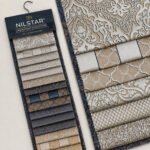
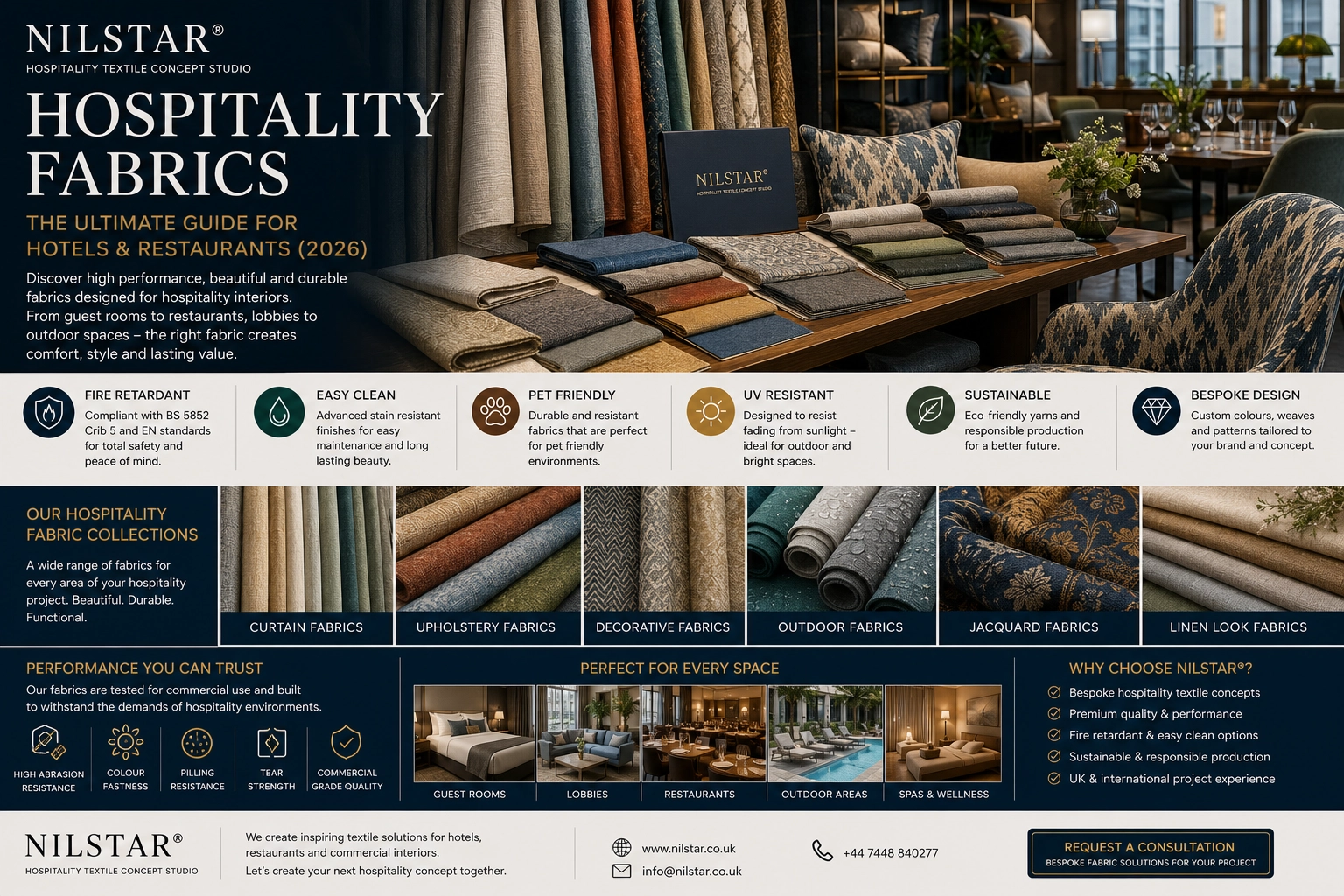
Nilstar® stands out as a leader in providing bespoke textile solutions specifically designed for the nuanced needs of the hospitality sector. With an extensive range of offerings, including innovative fabrics that combine both aesthetic appeal and high performance, Nilstar® is committed to helping hospitality businesses create memorable environments that attract and retain customers. The company’s expertise in textile manufacturing enables it to develop materials tailored to the demands of various hospitality applications, ensuring that they not only look good but also stand the test of time.
In conclusion, understanding the significance of hospitality fabrics is crucial for industry players aiming to enhance their venues. The right selection can transform spaces, reinforcing a sense of comfort and elegance for guests while also addressing the functionality required in bustling hospitality environments. With Nilstar®’s commitment to quality and customization, the possibilities for innovative textile solutions are endless.
What Are Hospitality Fabrics?
Hospitality fabrics are specialized textiles designed specifically for the diverse needs of the hospitality industry, which encompasses sectors such as hotels, restaurants, and healthcare facilities. Unlike standard fabrics, hospitality fabrics are manufactured to withstand the rigors of high-traffic environments. Their design incorporates attributes that not only enhance durability but also address practical concerns such as maintenance and safety.
One of the primary features that distinguish hospitality fabrics from regular textiles is their resilience. These fabrics are often crafted from robust materials, including polyester, nylon, or blends that are engineered to resist wear and tear. This means that they can endure frequent use without quickly showing signs of damage, ensuring that the aesthetics of the establishment remain intact over time. Moreover, resilience in hospitality fabrics also addresses the need for stain resistance, which is critical in settings like restaurants where spills are frequent and can damage standard fabrics.
Ease of maintenance is another crucial attribute of hospitality fabrics. They are commonly treated with special finishes that make them easier to clean and maintain, which is essential for maintaining hygiene and appearance in environments open to the public. Fabrics with properties such as water repellency or antimicrobial treatments are increasingly popular, as they can help in minimizing cleaning efforts while also improving the overall safety for guests and staff alike.
The hospitality industry is continually evolving, driven by changing consumer preferences and expectations. As such, fabrics are designed with these evolving demands in mind. For instance, eco-friendly options have become more prevalent, allowing establishments to adopt sustainable practices while still utilizing high-quality materials. Ultimately, hospitality fabrics play a critical role in enhancing the functionality and aesthetic appeal of facilities, ensuring that they can meet both operational needs and guest experiences.
Why Hospitality Fabrics Matter
In the realm of the UK hospitality industry, the choice of fabrics plays a pivotal role in enhancing the overall guest experience. Hospitality fabrics, which include drapery, upholstery, bedding, and table linens, are fundamental in creating an inviting atmosphere that resonates with clientele. The proper selection of these textiles not only improves aesthetic appeal but also serves significant functional purposes that impact operational efficiency.
One of the primary reasons why hospitality fabrics matter is their effect on branding. The choice of textiles can reflect the identity of a hotel or restaurant, communicating its values and style to guests. For instance, luxurious materials may elevate a high-end venue’s market position, while vibrant, durable fabrics can signify a more casual dining experience. According to a survey conducted by the Hospitality Research Board, 78% of guests reported that interior textiles significantly influenced their perception of a venue’s quality.
Comfort is another crucial aspect where hospitality fabrics make a considerable difference. Guests tend to prefer accommodations that prioritize their comfort through soft, breathable materials, especially when it comes to bedding and seating arrangements. Statistical analysis from industry studies suggests that 53% of guests prioritize comfort in textiles over other amenities when selecting a hotel. This highlights the importance of choosing the right fabrics that not only enhance visual appeal but also ensure a comfortable stay.
Moreover, the hygiene and cleanliness of textiles cannot be overlooked. With proper maintenance, high-quality fabrics contribute to an establishment’s overall cleanliness, making them more appealing to health-conscious visitors. Research indicates that venues utilizing antimicrobial fabrics in their interiors report a 36% higher customer satisfaction rate due to perceived cleanliness.
In essence, the involvement of fabrics in the hospitality sector transcends mere functionality. They play a vital role in creating a cohesive ambiance that fosters positive guest experiences and enhances operational efficiency.
Types of Hospitality Fabrics
The hospitality industry employs a wide range of fabrics tailored to meet the diverse needs of hotels, restaurants, and other hospitality enterprises. These fabrics are selected for their durability, aesthetic appeal, and ability to withstand the rigors of commercial environments. The primary categories of hospitality fabrics include curtain fabrics, upholstery fabrics, decorative fabrics, and outdoor hospitality fabrics.
Curtain Fabrics
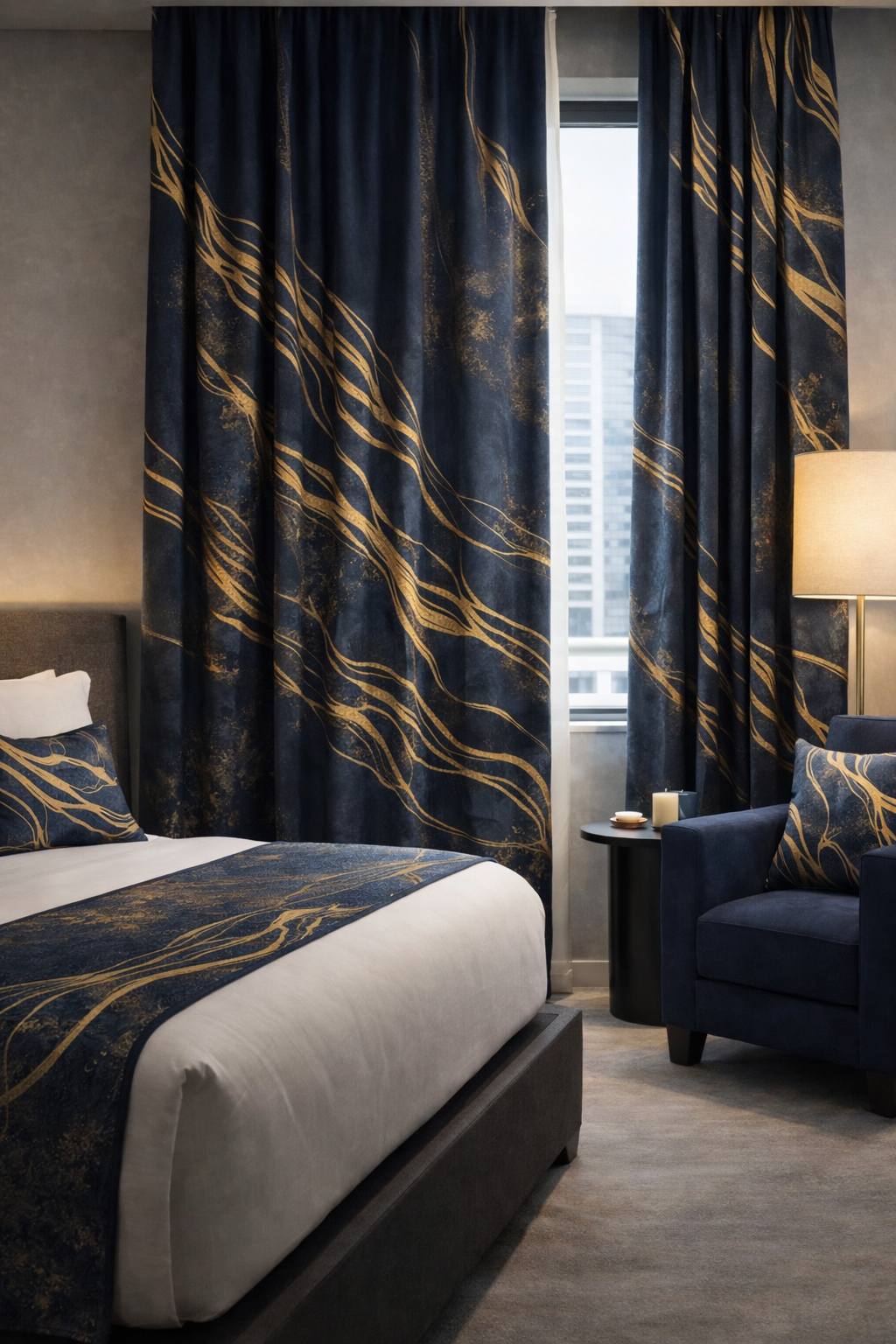
Curtain fabrics play a crucial role in enhancing the ambiance of any hospitality setting. Common materials include polyester, cotton, and blends that provide both functionality and visual charm. Polyester curtains, for instance, are favored for their durability and ease of maintenance, making them suitable for high-traffic areas such as hotel lobbies. On the other hand, cotton fabrics offer a more natural look and feel, adding elegance to rooms where aesthetics are paramount, such as fine dining restaurants.
Upholstery Fabrics
Upholstery fabrics are essential for furniture in the hospitality industry. The choice of these fabrics directly impacts comfort and longevity. Options such as vinyl, leather, and treated materials are often used to combat stains and wear. Vinyl upholstery is particularly popular in restaurants for its easy-to-clean properties, while leather provides a luxurious touch that is attractive for upscale hotel environments. Additionally, various synthetic fabrics are engineered for durability and comfort, ensuring that the seating remains inviting over long periods.
Decorative Fabrics
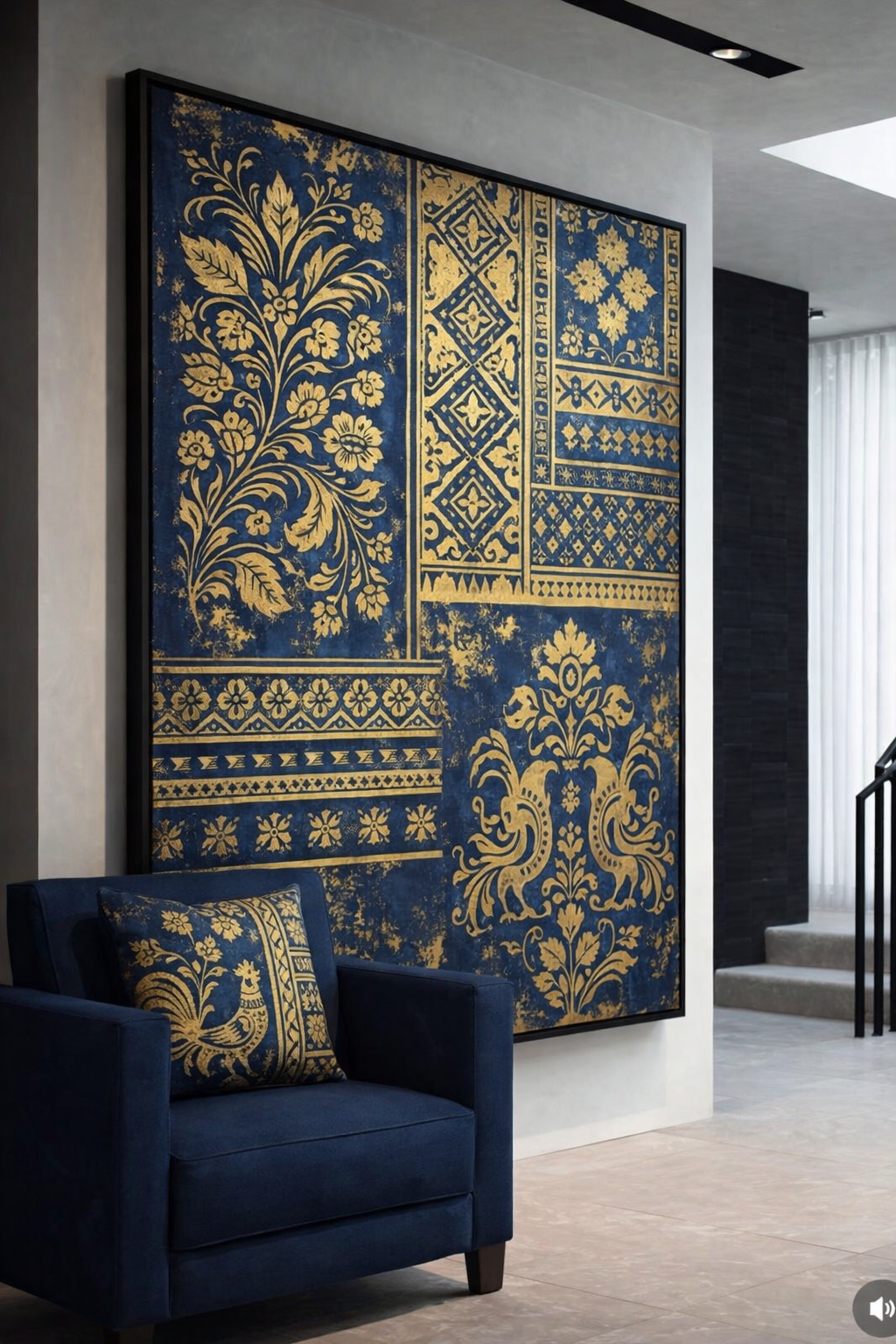
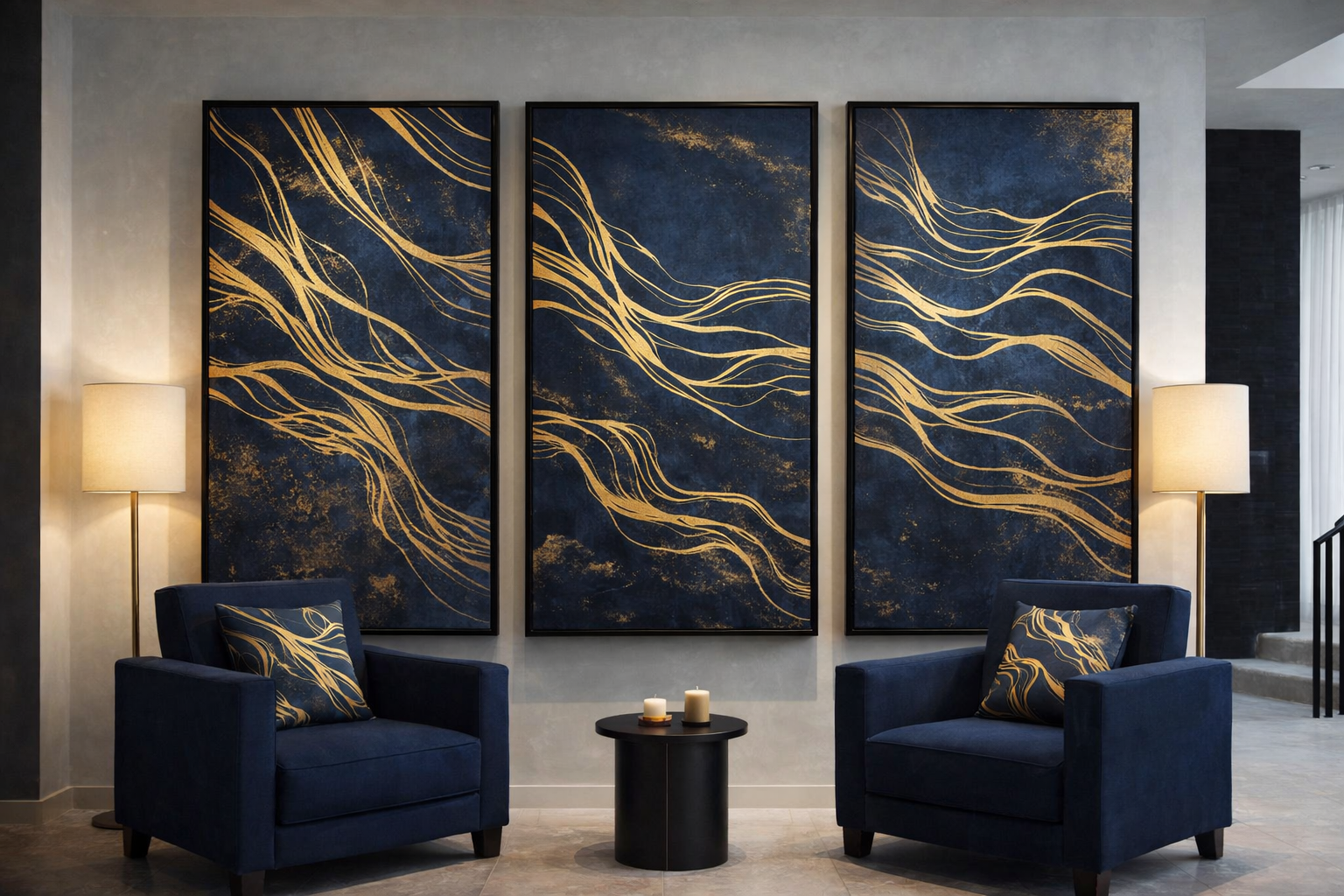
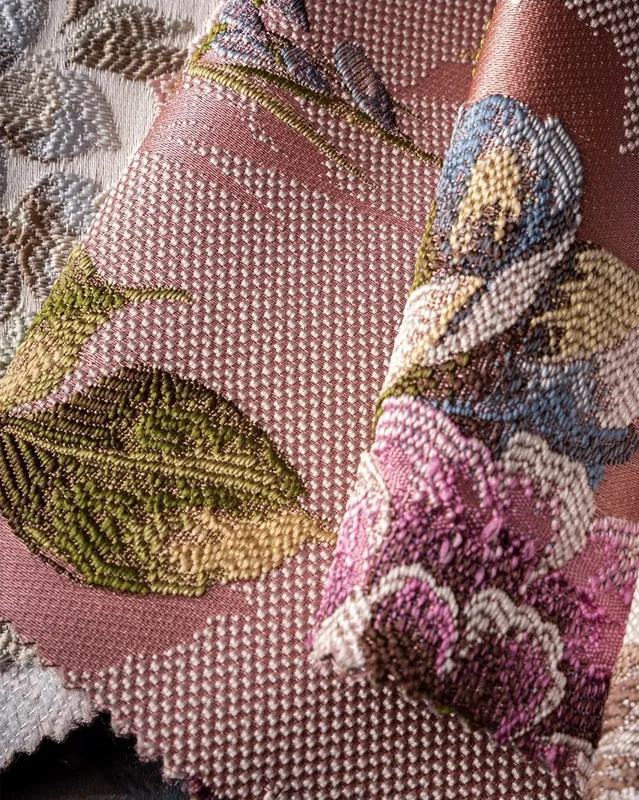
Decorative fabrics serve as the finishing touch in hospitality spaces, used for items such as cushions, throws, and table linens. These fabrics are often chosen for their aesthetic qualities and ability to complement the overall decor. Silks, velvets, and patterned cottons can be used for visual impact in dining areas, while lighter fabrics like linen are ideal for promoting a relaxed atmosphere in lounges and bars.
Outdoor Hospitality Fabrics
With the increasing trend of outdoor dining and events, outdoor hospitality fabrics have gained prominence. These fabrics are designed to withstand various weather conditions and are typically made from UV resistant and water-repellent materials. Brands often utilize solution-dyed acrylics for awnings and outdoor furniture, providing both durability and color retention against sun exposure. This ensures that outdoor spaces remain inviting and functional throughout the seasons.
In summary, understanding the various types of hospitality fabrics and their applications can significantly enhance the aesthetic and functional aspects of any hospitality setting, ensuring a pleasant experience for guests and longevity for the furnishings.
Fire Retardant (FR) Fabrics
In the hospitality industry, ensuring the safety of guests and staff is of paramount importance, particularly concerning fire safety. Fire retardant (FR) fabrics are designed to slow the spread of flames, minimizing fire-related risks in hotels, restaurants, and other hospitality venues. The use of FR fabrics is not just a best practice; it is often a legal requirement as stipulated by health and safety regulations. Fire hazards can emerge from various sources, including cooking equipment, electrical appliances, and potentially hazardous guest interactions. Therefore, implementing fire-retardant measures is an essential aspect of maintaining a safe environment.
In the UK, fire safety regulations outline the mandatory use of fire retardant materials in hospitality settings, such as public areas, accommodation rooms, and dining facilities. Compliance with the Regulatory Reform (Fire Safety) Order 2005 requires that all the fabrics used in these spaces meet specific safety standards. The Building Regulations also dictate that all upholstery and drapery must be made from materials that have been treated to resist ignition.
Several textiles are suitable for use in the hospitality sector, meeting the stringent requirements for fire retardancy. For instance, fabrics made from inherently flame-resistant fibers such as Aramid or modacrylic offer high levels of protection. Additionally, treated cotton and polyester blends are becoming popular due to their balance of comfort and safety. These materials are often subjected to rigorous testing to ensure they possess the necessary FR characteristics, with options available in a variety of colors and patterns to maintain aesthetic appeal while adhering to safety standards. Utilizing FR fabrics not only enhances safety but also contributes to the longevity and durability of furnishings in hospitality venues.
Durable and Easy Care Fabrics
In the bustling UK hospitality industry, the demand for furniture and decorative textiles that can endure high-traffic environments is paramount. Durable and easy-care fabrics effectively address this need, helping establishments maintain a polished appearance while minimizing maintenance efforts. These fabrics are specifically designed to resist wear and tear, making them ideal for hotels, restaurants, and other service-oriented businesses.
One of the most notable categories of easy-care fabrics includes synthetic blends, such as polyester and nylon. These materials inherently possess high tensile strength and excellent stain resistance, making them particularly suitable for the hospitality sector. Polyester and nylon fabrics are not only durable but also easy to clean, requiring minimal effort to maintain their aesthetic appeal. When spills occur, quick clean-up prevents lasting damage, significantly reducing overall operational costs.
Another fabric type worth mentioning is treated cotton. Though cotton is traditionally known for its softness and comfort, advancements in fabric technology have produced treated cotton options that offer enhanced resistance to stains and fading. These treated cotton fabrics combine the desirable tactile qualities of natural fibers with the practicality required in high-usage environments.
Additionally, performance fabrics such as acrylic and microfiber are increasingly popular due to their exceptional resistance to stains, moisture, and fading. Microfiber, in particular, is renowned for its ability to repel dirt and grime, thus making it an excellent choice for venues that experience high volumes of guests. Moreover, these performance fabrics are easy to machine wash, facilitating quick turnaround times for cleaning and maintenance.
Ultimately, investing in durable and easy-care fabrics not only ensures a refined aesthetic within the hospitality environment but also contributes to operational efficiency and cost savings. By selecting the appropriate textiles, businesses can safeguard their investments while providing an inviting atmosphere for their patrons.
Sustainability in Hospitality Fabrics
The hospitality industry is increasingly recognizing the significance of sustainability, particularly when it comes to fabric choices. With the growing concern about environmental issues, the demand for sustainable fabrics has surged among hotels, restaurants, and other hospitality venues. Incorporating eco-friendly materials not only demonstrates a commitment to environmental stewardship but also resonates with a clientele that values ethical practices.
Among the notable sustainable options available, bamboo blend fabrics stand out for their eco-friendly attributes. Bamboo is a fast-growing plant that requires minimal water and pesticides, making it an ideal choice for those looking to reduce their ecological footprint. Additionally, bamboo fibers possess natural antibacterial properties, which enhance hygiene—an essential aspect in any hospitality setting.
Another popular sustainable option is linen look fabrics, which are often derived from recycled materials or sustainable sources. Linen itself is known for its durability and breathability, providing a luxurious feel that is well-suited for various interior designs. Modern linen look fabrics mimic the aesthetic charm and texture of traditional linen while being more cost-effective and accessible. This versatility aligns them with contemporary design trends, allowing venues to create stylish and comfortable environments.
Furthermore, both bamboo blend and linen look fabrics can contribute positively to energy efficiency and maintenance costs. As they are designed to last longer and require less frequent washing, the ecological benefits extend beyond their initial production, emphasizing a holistic approach to sustainability in hospitality fabrics. The implementation of these materials not only supports a more sustainable industry but also caters to modern consumer preferences for elegance and innovation.
Trends in Hospitality Fabrics
The UK hospitality industry is experiencing significant shifts in fabric selection, driven by evolving design trends and a greater awareness of environmental sustainability. One of the most prominent trends is the increasing preference for natural materials. Designers are favoring fabrics made from organic fibers such as cotton, linen, and hemp, which not only offer aesthetic appeal but also align with eco-friendly practices. This transition reflects a broader social consciousness where sustainability plays a crucial role in purchasing decisions.
In addition to material considerations, contemporary color palettes in hospitality fabrics are favoring muted and earthy tones. Soft greys, warm beige, and deep greens are becoming popular choices, often inspired by nature and aimed at creating a calming atmosphere in hospitality spaces. These colors are particularly appealing in hotel lobbies and restaurants, where the goal is to enhance guest comfort and satisfaction.
Texture and pattern also play a significant role in current trends. Fabrics that incorporate rich textures or intricate patterns are increasingly sought after to add depth and interest to various environments. Velvet, for instance, is re-emerging as a favored option due to its luxurious feel and the way it absorbs light, creating inviting spaces. Similarly, geometric patterns and contemporary prints are employed to convey a sense of modernity and style.
Ultimately, these trends are significantly affecting the purchasing decisions of hospitality designers and procurement managers. They are now keen to select fabrics that not only align with aesthetic goals but also meet practical demands such as durability, ease of maintenance, and sustainability. By understanding these trends, professionals in the industry can better cater to the evolving expectations of their clientele, ensuring their establishments remain competitive and appealing.
Frequently Asked Questions
The hospitality industry, especially in the UK, poses unique challenges when it comes to selecting suitable fabrics. Below are some frequently asked questions that hotel and restaurant owners may have regarding hospitality fabrics.
1. What qualities should I look for in durable hospitality fabrics?
Durability is crucial for hospitality settings due to high foot traffic and frequent use. Look for fabrics made from synthetic fibers such as polyester or solution-dyed acrylic, which offer excellent fade resistance and ease of cleaning. Additionally, consider fabrics that have been treated with stain-resistant finishes or have a high Martindale rub count, indicating that they can withstand wear and tear over time.
2. How do I maintain hospitality fabrics?
Proper maintenance extends the life of hospitality fabrics. Regular cleaning is essential, and most fabrics can be maintained through professional cleaning or simple spot cleaning with a mild detergent. It is crucial to adhere to the manufacturer’s care instructions, which may include specific washing temperatures and methods. Preventive measures, such as using fabric protectors or ensuring that spills are dealt with immediately, can also help maintain the appearance of these fabrics.
3. Are hospitality fabrics fire safe?
Safety is paramount in hospitality spaces. Fabrics used in these environments should meet British fire safety regulations, often indicated by specific fire-retardant standards (such as BS 5852 or BS 7176). It is advisable to inquire about the fire safety certification of any fabric you intend to use and ensure it complies with local regulations to create a safe environment for guests.
4. Can I customise hospitality fabrics to match my brand?
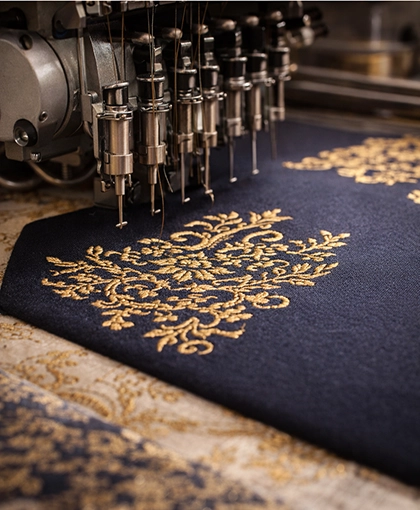
Yes, customisation is often available for hospitality fabrics. Many suppliers offer a range of colours, patterns, and textures, allowing you to select fabrics that align with your brand’s aesthetic. Some manufacturers may even provide services for bespoke fabrics, enabling you to create unique designs tailored to your specific needs.
Conclusion and Call to Action
In the UK hospitality industry, the choice of fabrics plays a vital role in creating an inviting and comfortable atmosphere for guests. Throughout this guide, we have explored various aspects of hospitality fabrics, emphasizing their significance in terms of aesthetics, durability, and maintenance. Selection of the right textiles can significantly enhance the overall guest experience, providing not only visual appeal but also functionality that meets the demands of high-traffic settings.
Moreover, we discussed the varying categories of hospitality fabrics, highlighting the importance of performance attributes such as stain resistance, colourfastness, and ease of cleaning. These elements are crucial in maintaining the professional standards expected in the hospitality sector, where first impressions are vital. By investing in high-quality fabrics, businesses can ensure longevity and a pristine presentation, contributing to customer retention and satisfaction.
Nilstar® stands out in the market as a provider of tailored solutions specifically designed for hospitality businesses. With a wide range of textiles that cater to the unique needs of the industry, Nilstar® combines style with practicality, offering bespoke hospitality textile concepts that align perfectly with each establishment’s brand identity. Our commitment to quality and innovation means that we can help create an environment that not only meets but exceeds guest expectations.
For hospitality operators looking to enhance their interiors with premium textiles, we invite you to contact Nilstar®. Our team is ready to provide expert advice and customized solutions to bring your vision to life. Connect with us today to explore how our commercial fabric solutions can elevate your hospitality space.