Introduction to Hotel Furniture in the Hospitality Industry
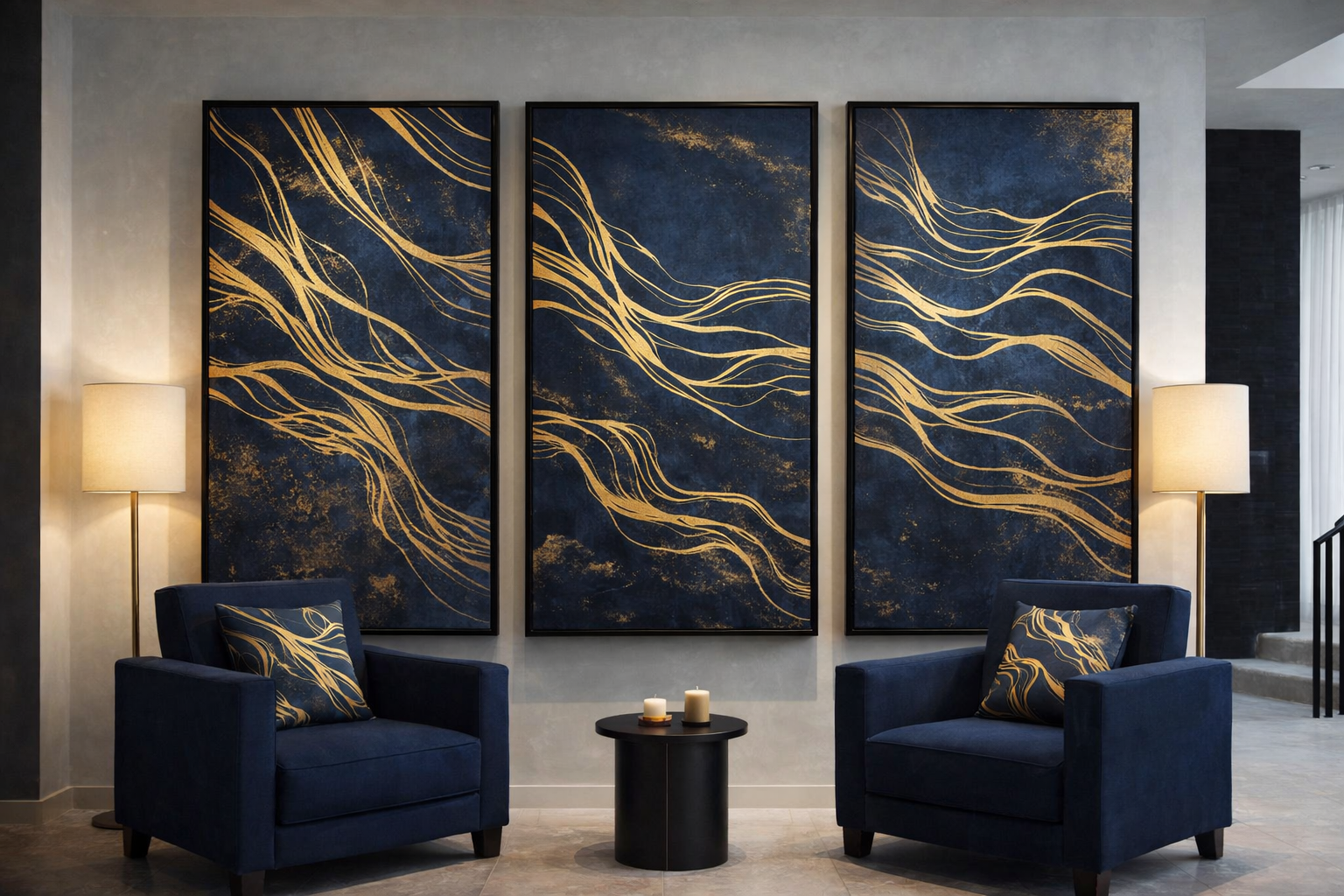
In the UK hospitality industry, hotel furniture plays a pivotal role in shaping the guest experience and creating an inviting atmosphere. The selection of furniture not only contributes to comfort but also reflects the identity and branding of the establishment. Hotels aim to create environments that resonate with their target demographic, and the furniture within the premises serves as a visual and functional representation of their brand ethos.
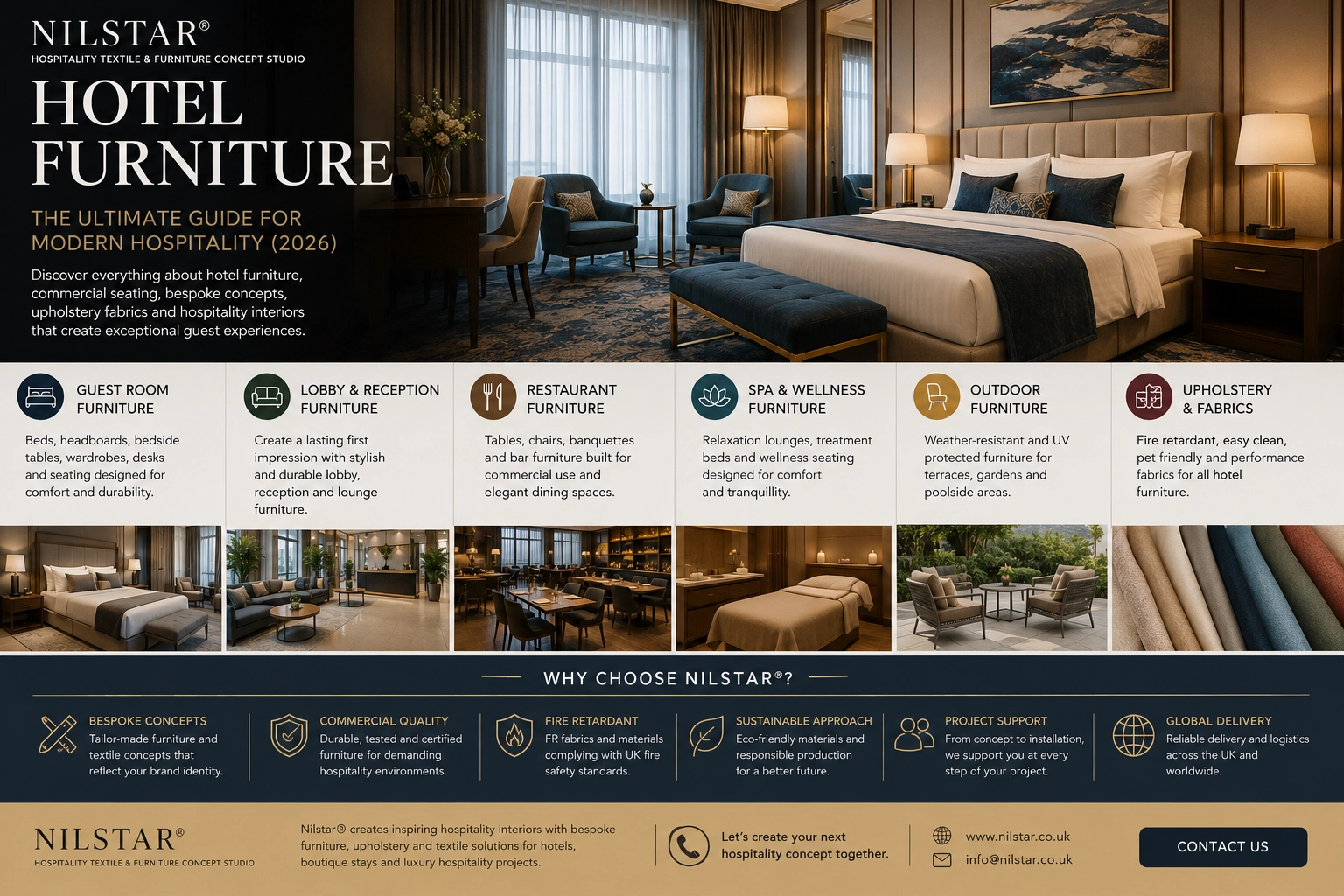
Hotel furniture encompasses a diverse range of categories, including bedroom furnishings, dining space fixtures, lounge and lobby furniture, and outdoor seating options. Each category is instrumental in facilitating comfort, functionality, and aesthetic appeal, contributing significantly to a guest’s stay. For instance, quality beds and custom-designed bedding elevate guest comfort in the bedroom, while stylish dining tables and chairs encourage social interaction and enhance dining experiences.
The relationship between hotel furniture and guest satisfaction is essential; well-chosen pieces can enhance the ambiance, promote relaxation, and even influence guest reviews. A well-furnished lobby with comfortable seating arrangements invites guests to socialize or unwind, while a thoughtfully designed outdoor patio equipped with durable and stylish furniture allows for an attractive space to enjoy fresh air and views.
Furthermore, in an era where branding is paramount, the furniture selection process takes on even greater significance. Hotels are increasingly investing in custom solutions that reflect their unique style, appeal to their clientele, and stand out from competitors. It is clear that the thoughtful integration of furniture not only enhances the aesthetic landscape but also ensures that operational objectives are met, positioning hotels for success in the competitive hospitality market.
The Impact of Furniture on Guest Experience and Comfort
The furniture within a hotel plays a pivotal role in shaping guest experiences and comfort levels. The selection of items such as beds, chairs, and tables not only contributes to the functional aspects of a stay but also significantly influences the overall ambiance and aesthetic appeal of a room or common area. Comfort is often rated as a primary concern for guests; ergonomic designs can greatly enhance satisfaction. For instance, a well-designed mattress can lead to restful sleep, while supportive seating arrangements create inviting spaces for relaxation and social interaction.
Aesthetics are equally important. The visual impact of furniture contributes to a hotel’s branding and can evoke emotions that enhance guest enjoyment. For example, a boutique hotel that implements a modern design with sleek, stylish furniture may attract guests who appreciate contemporary aesthetics. Conversely, a hotel that opts for traditional furnishings may evoke a sense of warmth and nostalgia, catering to a different clientele looking for a classic experience.
Numerous case studies illustrate the impact of thoughtfully chosen furniture on guest satisfaction. One notable instance is the Hoxton Hotel, known for its warm yet trendy design that incorporates comfortable sectional sofas and community tables in its common areas. This arrangement encourages guest interaction, fostering a sense of community. Another example is the Four Seasons Hotel, which utilizes high-quality, plush bedding and meticulously selected furnishings to create a luxurious atmosphere that leads to high guest retention rates.
In essence, the interplay of functionality, ergonomics, and aesthetic design within hotel furniture significantly impacts overall guest comfort and experience. Hotels that prioritize these elements often see not only enhanced guest satisfaction but also long-term loyalty and positive reviews, further solidifying their reputation in the competitive hospitality market.
Aligning Furniture with Brand Identity
The relationship between furniture selection and brand identity in the UK hospitality industry is crucial for establishing a hotel’s overall image and guest experience. Hotels utilize furniture styles, materials, and layouts as powerful tools to communicate their brand ethos. For instance, a luxury hotel may opt for bespoke, high-quality furnishings that evoke elegance and sophistication, thereby appealing to a clientele that seeks high-end experiences.
Conversely, boutique hotels often embrace unique and eclectic furniture to reflect their distinct character and narrative. These establishments tend to curate items that resonate with local culture or trends, allowing them to craft a memorable identity. For example, a boutique hotel in London may incorporate vintage pieces reminiscent of the city’s rich history, inviting guests to engage with the aesthetic while fostering a sense of place.
Moreover, the materials used in hotel furniture play a significant role in brand representation. Sustainable materials, for instance, showcase a hotel’s commitment to eco-friendliness, aligning with the growing demand for environmental responsibility in hospitality. Using reclaimed wood or organic fabrics communicates a story of sustainability that many modern guests appreciate.
Furniture arrangement is equally important, as it affects not only the visual appeal but also the functional flow of spaces within the hotel. Open layouts may encourage social interaction and communal experiences, aligning with brands that emphasize a sense of community; whereas, more intimate settings with cozy furniture can create a private atmosphere ideal for romantic getaways.
In summary, the alignment of furniture with brand identity in the hospitality sector is a multifaceted strategy. By carefully selecting and arranging furniture, hotels can effectively communicate their brand values and create an environment that resonates with their target audience, enhancing the overall guest experience.
Durability and Longevity: Choosing Commercial-Grade Furniture
In the hospitality industry, the selection of furniture is pivotal to ensure both guest satisfaction and operational efficiency. Hotel furniture is subject to continuous use and must endure frequent wear and tear. Consequently, it is essential to prioritize durability and longevity in the selection process. Commercial-grade furniture is specifically designed to withstand the rigors of daily use, making it an invaluable investment for hoteliers.
When choosing commercial-grade hotel furniture, the materials used are of utmost importance. Hardwoods, such as oak and maple, not only provide a robust structural foundation but also impart a sense of elegance and luxury to the environment. Plywood with high-grade veneers can also offer a sufficient alternative, particularly in pieces designed for heavy use. Upholstered furniture should incorporate durable fabrics that resist stains, tears, and fading, ensuring that the appearance of the furniture remains intact over time.
In addition to material considerations, manufacturers’ construction techniques play a significant role in the durability of hotel furniture. Joint construction methods, such as mortise-and-tenon, should be favored over cheaper alternatives like butt joints, as they provide a more stable and enduring bond. Reinforced corners and solid bases are indicators of quality craftsmanship and can contribute substantially to the longevity of furniture pieces.
Furthermore, examining the warranty offered by manufacturers can serve as a crucial indicator of the expected lifespan and durability of the furniture. A solid warranty reflects the manufacturer’s confidence in their products and offers reassurance of quality. By combining careful material selection with quality construction techniques, hoteliers can ensure that their chosen furniture will not only withstand the demands of their operations but will also maintain its aesthetic integrity for years to come.
Major Furniture Categories in Hotels
In the hospitality industry, the choice of furniture is pivotal in creating a welcoming atmosphere for guests. This section provides an in-depth examination of major furniture categories within hotels, highlighting the importance of functionality, style, and material trends prevalent in the UK market.
Seating: Seating constitutes one of the most significant furniture categories in hotels. From lounge chairs in the lobby to dining chairs in restaurants, the seating options must combine comfort and style. Modern hotels often favor contemporary designs that utilize materials such as leather, fabric blends, and wood, providing both durability and aesthetic appeal. As hotels aim to enhance guest experience, the incorporation of ergonomic seating is a growing trend, allowing guests to enjoy both relaxation and support.
Beds: The bed is arguably the centerpiece of any hotel room. High-quality beds are essential for ensuring a good night’s sleep, which is a critical factor for guest satisfaction. Leading hotels in the UK prioritize luxury mattresses and stylish headboards, often constructed from sustainable materials. The trend of customizable bedding options also allows hotels to cater to diverse guest preferences, enhancing comfort and appeal.
Tables: Tables serve a multitude of functions within hotel environments, ranging from dining tables in restaurants to desks in guest rooms. The trend is moving towards multifunctional, space-saving designs that combine elegance with practicality. Materials such as reclaimed wood and metal accents are commonly used, providing a modern edge while promoting sustainability.
Storage Solutions: Adequate storage is vital in hotel rooms to keep clutter at bay, enhancing guest experience. Wardrobes, dressers, and luggage racks are critical components that are now designed aesthetically, often incorporating mirrors and innovative layouts. The focus on compact, stylish storage solutions allows for maximum utility without sacrificing style.
Outdoor Furniture: For hotels with outdoor spaces, investing in durable and attractive outdoor furniture is essential. This category often includes loungers, dining sets, and reception areas that can withstand the elements while remaining inviting. Lightweight materials such as aluminum, wicker, and weather-resistant fabrics are gaining popularity, allowing for easy maintenance and diverse design options.
The Synergy Between Furniture and Textiles
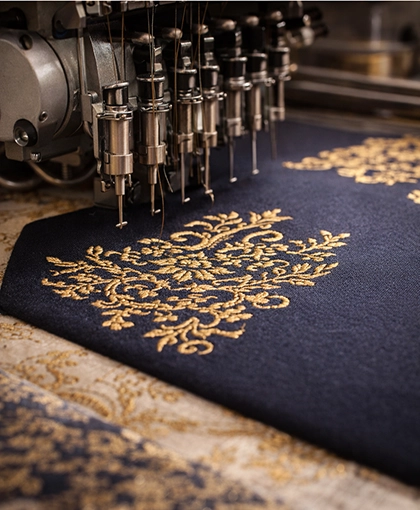
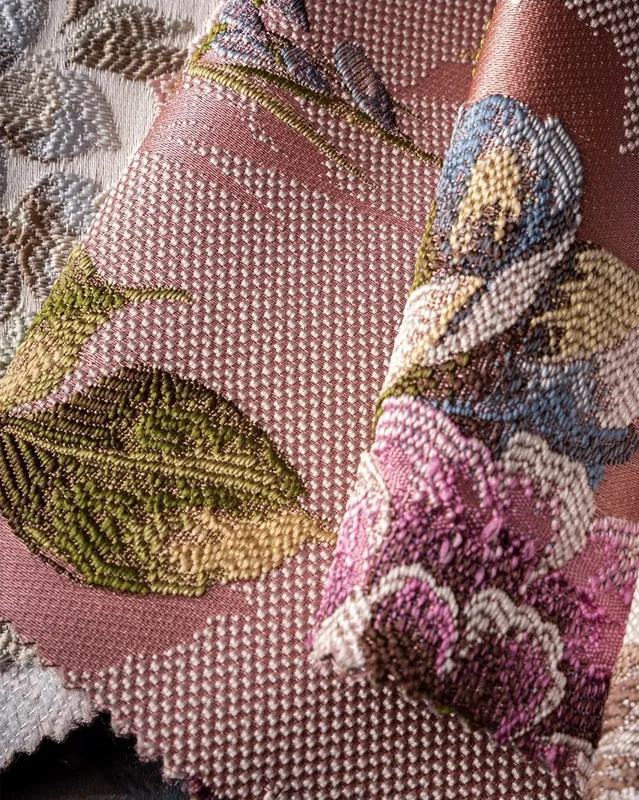
In the realm of hospitality design, the interplay between furniture and textiles serves to enrich the aesthetic and functional appeal of interiors. The careful selection of textiles not only enhances the visual characteristics of furniture but also significantly contributes to guest comfort and satisfaction. Textiles can be seen as an extension of the furniture; they provide essential support to the overall ambiance while addressing durability and maintenance concerns in high-traffic environments.
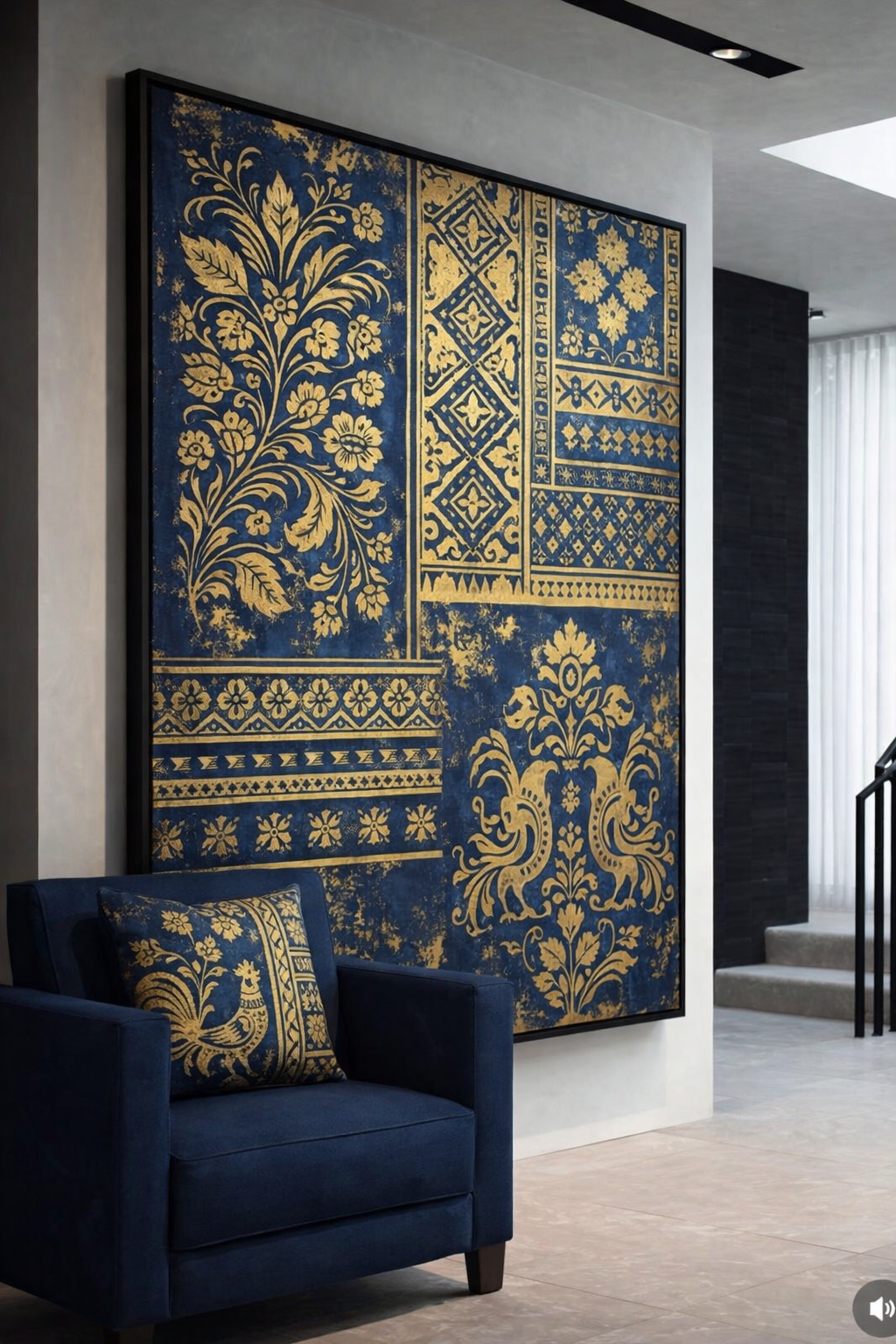
One key consideration is how textiles can complement the materials and styles of the furniture. For instance, luxurious upholstered seating options pair beautifully with rich velvet or silk fabrics, creating an inviting atmosphere that reflects sophistication. Conversely, more casual seating can benefit from durable, easy-to-clean fabrics such as microfiber or canvas, which ensure that the furniture remains both appealing and practical. The choice of color and pattern in textiles can also harmonize with the furniture’s design, enhancing the overall theme of a space, whether it be contemporary, traditional, or eclectic.
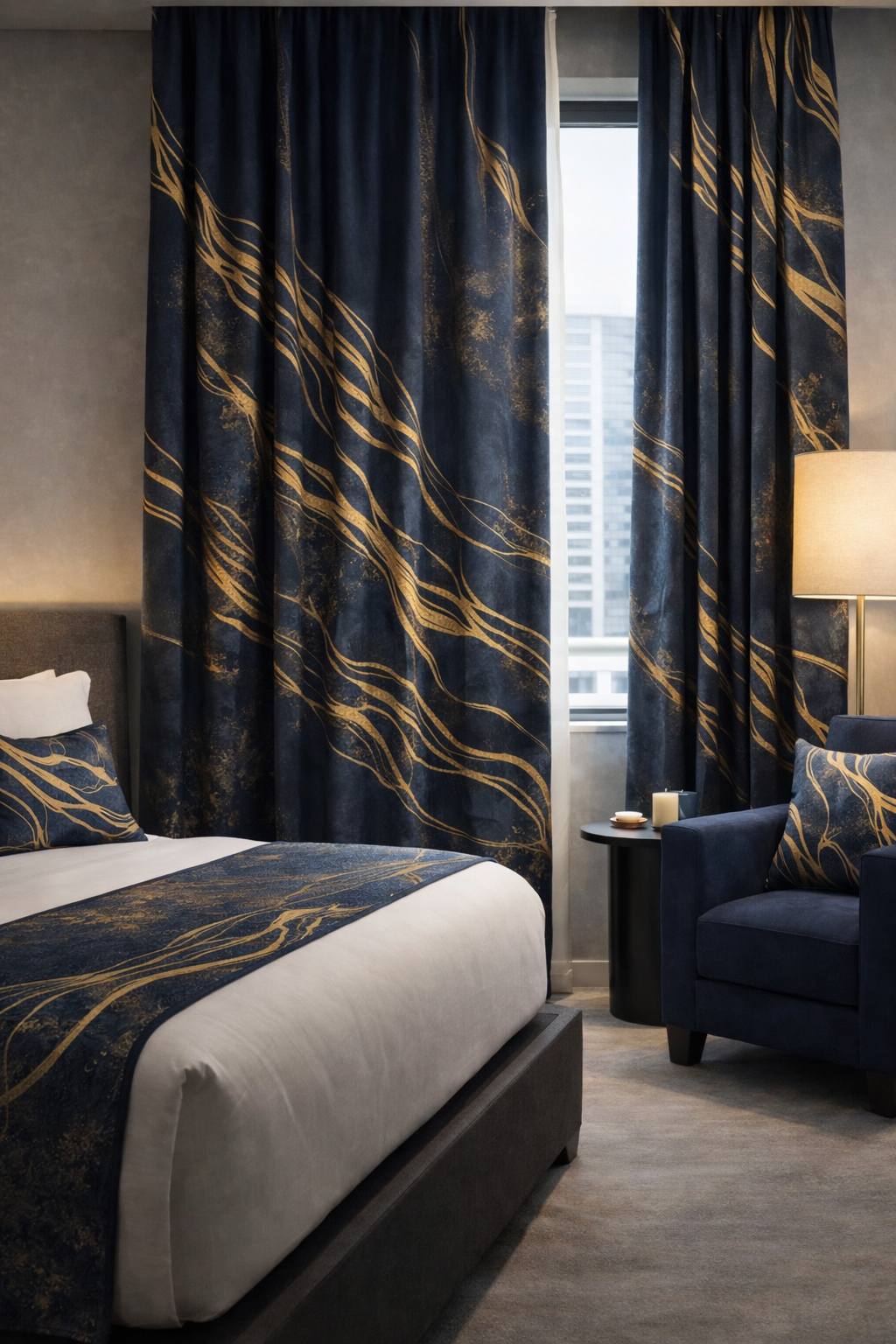
Moreover, textiles add a layer of comfort that furniture alone may not provide. Soft furnishings such as cushions, throws, and drapes can transform hard surfaces into inviting spaces where guests feel at home. This is particularly important in hospitality settings, where creating a welcoming environment can significantly influence guest experiences and perceptions. Additionally, the maintenance aspect of textiles should be carefully considered; choosing materials that repel stains and are easy to clean can prolong the life of both the textiles and the furniture they adorn.
In conclusion, the synergy between furniture and textiles is vital in crafting effective hospitality interiors. Thoughtful integration of appropriate textiles with furniture not only enhances comfort but also fosters an inviting atmosphere. By selecting textiles that align with both the style and function of furniture, hospitality establishments can achieve a cohesive and visually appealing environment for their guests.
Practical Tips for Furniture Selection and Procurement
Selecting and procuring furniture for hotels in the UK hospitality industry requires careful consideration and strategic planning. One of the first factors to consider is budgeting. Establishing a clear budget from the outset helps hotel owners and design teams navigate available options, ensuring they choose quality pieces that align with their financial constraints. This budget should encompass not only the cost of furniture but also additional expenses such as delivery, installation, and maintenance.
Engaging with reputable suppliers is another vital step in the procurement process. Establishing a solid relationship with furniture providers can lead to better price negotiations and access to high-quality products. It is advisable to request samples and explore the durability of materials, especially in high-traffic areas such as lobbies or dining spaces. Make use of trade shows and exhibitions, which often present opportunities to meet suppliers directly and assess furniture offerings firsthand.
Understanding customer demographics is crucial for making informed furniture choices. Different customer segments, such as business travelers, families, and leisure tourists, have varied needs and preferences. Identifying the target market enables hotel operators to select styles and functionalities that cater specifically to their clientele. For instance, a hotel catering to young families may opt for sturdy, easy-to-clean furniture, while a boutique hotel targeting business professionals may lean towards sleek, modern designs.
Additionally, seeking feedback from guests on their preferences and experiences with existing furniture can provide insights into necessary improvements or changes. Incorporating feedback into future procurement strategies ensures continuous enhancement of the guest experience, ultimately supporting overall hotel performance.
Trends in Hotel Furniture Design
The UK hospitality industry has seen a significant evolution in hotel furniture design, especially in recent years. Prominent trends that shape the market include sustainability, flexibility, and technology integration. As environmental concerns increase, hotels are prioritizing sustainability in their furniture choices. This trend involves selecting materials that are eco-friendly and sourced responsibly. Reclaimed wood, bamboo, and recycled metals are becoming prevalent materials, not only for their aesthetic value but also for their minimal impact on the environment.
Furthermore, the concept of flexibility in furniture design has gained traction. Hotels are increasingly opting for modular furniture that can be reconfigured according to the needs of different spaces. For instance, modular lounge seating and stackable chairs allow for easy transformation of areas from conference settings to casual lounges, accommodating a variety of guest preferences. This adaptability not only enhances the utility of the space but also contributes to a dynamic guest experience.
The integration of technology into hotel furniture design is another emerging trend. Smart furniture solutions, such as desks with built-in charging stations and bedside tables with wireless charging capabilities, enhance guest convenience and allure. These technologically advanced furniture pieces have seen implementation in several high-end hotels across the UK, demonstrating an appreciation for contemporary conveniences in traditional hospitality settings.
Real-life examples of these trends can be found in hotels such as the CitizenM London Bankside, which features artfully designed modular seating and eco-friendly materials. Additionally, the Hilton’s Curio Collection embraces the concept of technology with integrated smart furniture systems, ensuring seamless connectivity for guests. As these trends continue to expand, they play an essential role in shaping the guest experience and enhancing the overall aesthetic of hotel interiors.
Conclusion and Future Considerations
The furniture within the hospitality industry plays a vital role in shaping guest experiences and enhancing brand identity. Throughout this guide, we have explored the various aspects of hotel furniture, including its functionality, design, and the critical importance it holds for operational efficiency. The selection of appropriate furniture extends far beyond aesthetic appeal; it affects guest comfort, satisfaction, and ultimately, loyalty.
With the rapid evolution of guest preferences and industry standards, it is essential for hotel operators and designers to remain cognizant of emerging trends. Innovation in materials and design is already shaping hotels, with a growing preference for sustainable, eco-friendly options that do not compromise on style or comfort. The integration of technology into furniture design, such as charging ports and smart furniture solutions, has also begun to emerge as a necessity in modern hospitality settings.
As we look to the future, adaptability will be crucial. Hotel furniture must evolve to meet shifting guest expectations, characterized by a desire for personalized and unique experiences. Flexibility in design and a willingness to embrace change will enable hoteliers to create dynamic environments that appeal to a diverse clientele. Investing in versatile, durable, and stylish furnishings will not only enhance guest satisfaction but also reflect a hotel’s commitment to quality and innovation.
In summary, the importance of carefully curated hotel furniture cannot be overstated in the real estate and hospitality landscape of the UK. As the industry progresses, fostering a culture of adaptability and innovation in furniture design will be essential for keeping pace with changing consumer demands and enhancing the overall guest experience.