Introduction
In the competitive landscape of the UK hospitality industry, the role of restaurant furniture extends beyond mere utility; it plays a crucial part in creating an inviting and memorable dining experience. The selection of appropriate furniture can significantly influence the ambiance of a restaurant, affecting not only aesthetics but also functionality and comfort for patrons.
For restaurant owners, designers, and architects, the task of choosing the right furniture is paramount. It is essential to select pieces that not only reflect the brand ethos but also cater to the specific needs of the clientele. The appeal of a restaurant is often determined by its interior design and furnishings, which communicate the restaurant’s theme and values before a menu is even seen. Styles range from contemporary and formal to rustic and casual, each serving to evoke different emotions and expectations in guests.
A well-furnished restaurant can enhance customer satisfaction, making it likely for diners to return and recommend the establishment to others. Beyond aesthetics, the arrangement and functionality of furniture impact how efficiently a space can be utilized, thereby influencing service speed and overall operational success.
In summary, selecting the right restaurant furniture is critical within the UK hospitality sector. It involves balancing style, comfort, and practicality to foster a welcoming atmosphere that aligns with a restaurant’s brand and enhances the overall customer experience. Ultimately, thoughtful furniture choices can set the stage for a remarkable dining experience that resonates with patrons and encourages repeat visits.
What is Restaurant Furniture?
Restaurant furniture encompasses a range of items specifically designed to enhance the dining experience within hospitality settings. It plays a pivotal role in the overall aesthetics, functionality, and comfort of a restaurant, contributing not only to the ambience but also to customer satisfaction. In essence, restaurant furniture includes various components such as tables, chairs, booths, bar stools, and even outdoor seating arrangements. Each element is carefully selected to align with the restaurant’s theme and customer needs, thus serving both practical and aesthetic purposes.
The primary type of restaurant furniture includes dining tables and chairs, which come in various styles, sizes, and materials. Tables offer a surface for diners, while chairs provide comfort and support during meals. The selection of materials can vary widely, from wood and metal to Upholstered designs, each offering unique characteristics. Additionally, the layout of the furniture significantly impacts the customer experience and overall flow of the restaurant, requiring thoughtful consideration during the planning phase.
Moreover, restaurant furniture also extends to bar areas and lounge seating, where patrons may engage in social interactions or enjoy after-dinner drinks. Bar stools and high-top tables must be designed for not only comfort but also ease of movement, allowing for a relaxed yet active atmosphere. Outdoor seating, often used in venues with al fresco dining options, must withstand various weather conditions while being aesthetically pleasing to attract customers.
In summary, the significance of restaurant furniture cannot be overstated. It acts as the backbone of the dining environment, influencing not only the visual appeal but also the operational efficiency and comfort of guests. Understanding the fundamentals of restaurant furniture sets the groundwork for more in-depth discussions on specific styles, materials, and design considerations in subsequent sections of this guide.
Types of Restaurant Furniture
Restaurant furniture plays a crucial role in creating an inviting atmosphere and ensuring customer comfort. In the UK, the hospitality industry offers a diverse array of furniture options tailored to various dining styles and themes. This section outlines the primary categories of restaurant furniture, detailing the function and features of each to help restaurant owners make informed decisions.
Chairs: Chairs are perhaps the most critical component of restaurant furniture. They come in a variety of styles, materials, and finishes, catering to different dining experiences—from casual to fine dining. Options include stackable chairs for flexible seating arrangements and upholstered chairs that provide added comfort. Many establishments choose wooden chairs for a classic look or metal chairs for a modern aesthetic, balancing durability with style.
Tables: Tables serve as the foundation for dining experiences. Available in various shapes—round, square, rectangular—and sizes, tables can accommodate different group sizes and layouts. Material choices range from wood and metal to glass, allowing restaurants to align their table designs with their overall theme. Height variations, such as bar tables or standard dining tables, enable space versatility.
Seating Arrangements: Beyond standard chairs and tables, creative seating arrangements enhance social interactions and comfort. Booth seating is popular in casual dining establishments, optimizing space while offering a cozy atmosphere. Outdoor seating options are increasingly sought after, especially in locations with favorable climates. It includes patio seating and adjustable umbrellas to create a pleasant outdoor dining experience.
Bar Furniture: For establishments that include a bar area, bar stools and high tables become essential additions. Bar furniture is specifically designed to provide both functionality and style, often reflecting the unique character of the bar space. This segment of restaurant furniture enhances the overall ambiance and encourages social engagement among patrons.
In summary, understanding the different types of restaurant furniture is vital for establishing a functional and appealing dining environment. Chairs, tables, seating arrangements, and bar furniture all play integral roles in facilitating customer satisfaction and operational efficiency in the hospitality industry.
Restaurant Chairs
When it comes to choosing restaurant chairs, the options available in the UK hospitality market are both diverse and tailored to meet various aesthetic and functional needs. Selecting the right chairs is crucial as they significantly influence customer comfort and the overall dining experience. Chairs can be categorized into several styles, including contemporary, traditional, and minimalist designs. Each style serves a unique purpose, appealing to different customer demographics and enhancing the overall ambiance of the restaurant.
The materials used in restaurant chairs can greatly affect their durability and maintenance. Common materials include wood, metal, plastic, and upholstered fabrics. Wooden chairs often bring a touch of elegance and warmth, making them a favored option for fine dining establishments. Conversely, metal chairs are valued for their sturdiness and are typically used in casual dining settings where durability is paramount. Plastic chairs offer a lightweight and easily movable solution, suitable for informal bistros or outdoor seating areas. Upholstered chairs, while providing enhanced comfort, require more maintenance and care to preserve their appearance.
Comfort is a pivotal consideration when selecting restaurant chairs. Patrons often spend extended periods of time at their tables, and comfortable seating can enhance their dining experience and encourage return visits. Chairs that provide adequate lumbar support and cushioning are essential, especially in establishments targeting long dining durations. Additionally, the chairs’ height should correspond appropriately with the tables to ensure an enjoyable eating experience.
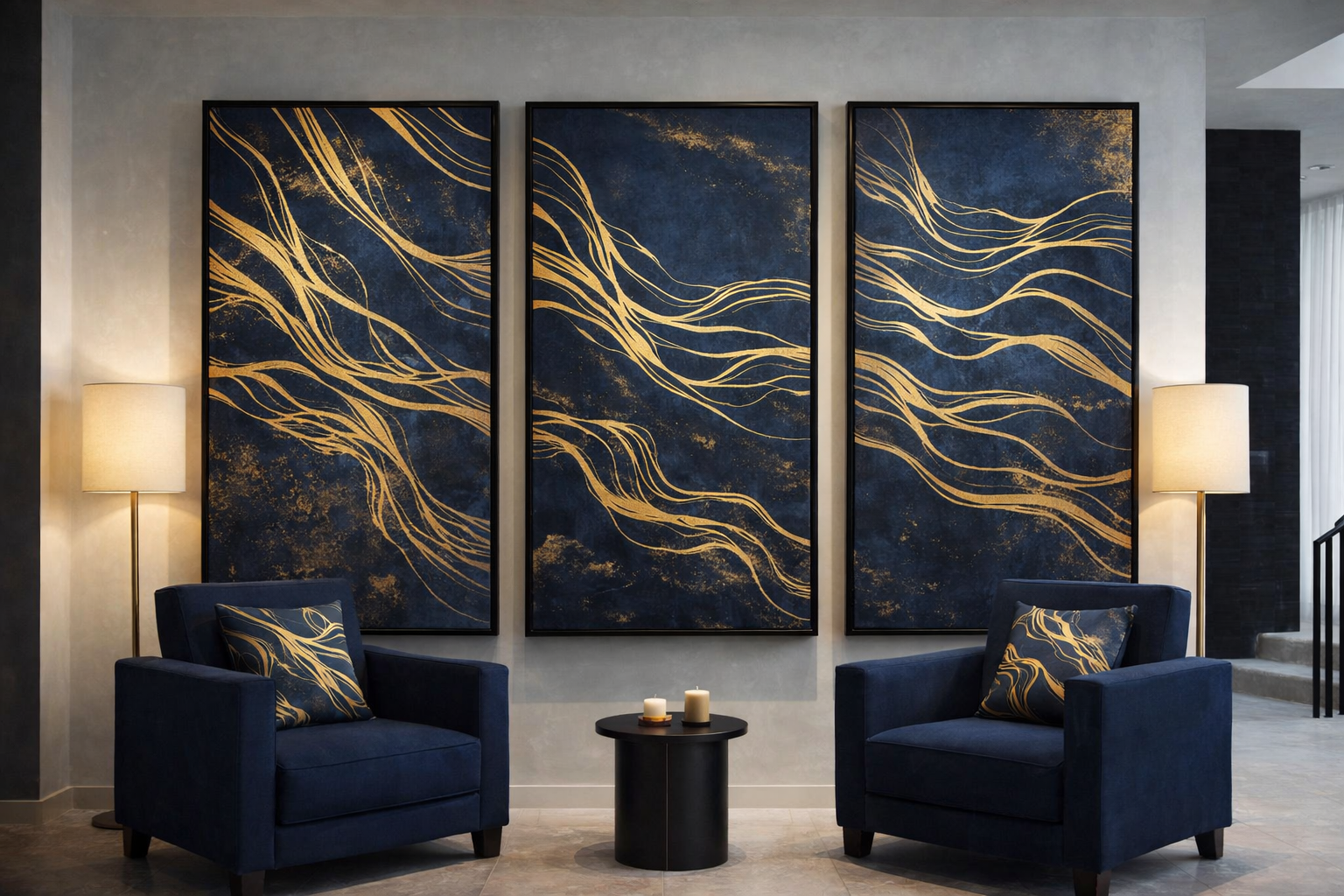
Aesthetic appeal also plays a vital role in chair selection. The chosen designs should complement the restaurant’s interior décor while aligning with the overall brand identity. Whether opting for sleek modern lines or classic ornate styles, ensuring the chairs harmonize with the restaurant’s theme can create a cohesive and inviting atmosphere, ultimately enhancing guest satisfaction.
Restaurant Tables
When selecting restaurant tables, it is essential to consider various factors, such as shape, size, and material. Tables are fundamental elements of dining space design, serving not only as surfaces for meal consumption but also influencing customer interaction and overall dining experience. Common table shapes include round, square, and rectangular, each offering different advantages in space management and social interaction.
Round tables are typically favored for smaller groups, facilitating conversation and a more intimate dining experience. In contrast, square and rectangular tables can accommodate larger parties, making them a practical choice for communal dining areas. The flexibility in size allows restaurateurs to optimize layouts for customer comfort and operational efficiency. For instance, a mix of small tables that can be pushed together may enhance versatility in accommodating varying group sizes.
Material selection plays a crucial role in table durability and aesthetic appeal. Common materials include wood, metal, and composite surfaces. Wooden tables often provide a warm, inviting atmosphere that enhances the dining experience. Meanwhile, metal tables can offer a modern aesthetic and sturdiness, particularly suited for outdoor settings. Composite materials, which may mimic wood or metal finishes, attract attention for their affordability, easy maintenance, and stylistic versatility.
When choosing the right table for different dining experiences, it’s important to consider factors like the restaurant theme, target audience, and overall décor. Ensuring tables are appropriately sized for the expected volume of customers ensures optimal space management and minimizes the risk of overcrowding. Careful table selection can significantly impact customer satisfaction and influence repeat business.
Restaurant Banquette Seating
Banquette seating has emerged as a popular choice among restaurant owners in the UK hospitality industry due to its numerous advantages. Primarily, it allows for the effective maximization of space, creating room for more patrons within limited areas. Unlike traditional tables and chairs, which often require considerable space for movement, banquettes can be strategically placed along walls or in corners, accommodating more guests while maintaining a stylish appearance.
Beyond space optimization, comfort is a significant benefit of banquette seating. Upholstered benches can provide excellent back support and plush seating, inviting diners to linger longer. This intrinsic comfort aspect can subtly encourage customers to order additional courses or beverages, ultimately increasing the restaurant’s profitability. Moreover, banquettes can be tailored with different cushioning and fabric options, allowing restaurants to align their seating with their overall design ethos—be it luxurious, casual, or contemporary.
Creating an intimate dining atmosphere is another attribute where banquette seating excels. This seating style fosters a feeling of privacy, making it ideal for couples or small groups. The arrangement can also be configured creatively, allowing for various layouts such as L-shaped or circular setups. Different styles of banquettes—from classic wooden designs to modern minimalist forms—allow establishments to express their unique identity. Whether a pub, café, or fine dining restaurant, there is a banquette style fit for every concept.
In conclusion, the integration of banquette seating into restaurant designs offers a multitude of benefits, enhancing both the functionality and aesthetic appeal of dining spaces in the competitive UK hospitality landscape.
Bar Furniture
Bar furniture plays a pivotal role in shaping the ambience and functionality of any drinking establishment, ranging from pubs to upscale lounges in the UK hospitality sector. The selection of furniture, including stools, tables, and counters, should enhance the overall aesthetic while providing comfort and practicality for patrons.
One primary type of bar seating is the bar stool, which comes in various styles and heights to accommodate different counter designs. High-backed stools are often preferred for their comfort and support, making them suitable for extended seating periods. Additionally, adjustable stools allow flexibility, catering to a diverse clientele. Materials also vary, with options such as wood, metal, and upholstered designs; each contributing to the desired atmosphere, be it rustic, contemporary, or sophisticated.
In conjunction with stools, bar tables fulfill an essential function in any bar setting. These tables are typically taller and designed for standing patrons as well as those sitting. Options range from traditional wooden tables, which offer a classic look, to modern glass and metal combinations that appeal to a younger audience. The right choice of bar tables also helps optimize floor space, encouraging social interaction while ensuring adequate space for movement.
Moreover, bars often feature expansive counters that serve as a central focus within the venue. A well-designed bar counter not only enhances the aesthetics but also improves operational efficiency for bartenders. The choice of materials, such as granite or wood, along with proper lighting, can significantly impact the ambience. Additionally, integrated shelving and storage within the bar counter contribute to functionality, allowing for easy access to beverages and supplies.
Ultimately, investing in quality bar furniture is vital for establishing a welcoming drinking area that attracts patrons and enhances their overall experience. Careful consideration of styles and materials will ensure that the furniture aligns with the intended atmosphere while meeting the practical demands of the hospitality industry.
Outdoor Restaurant Furniture
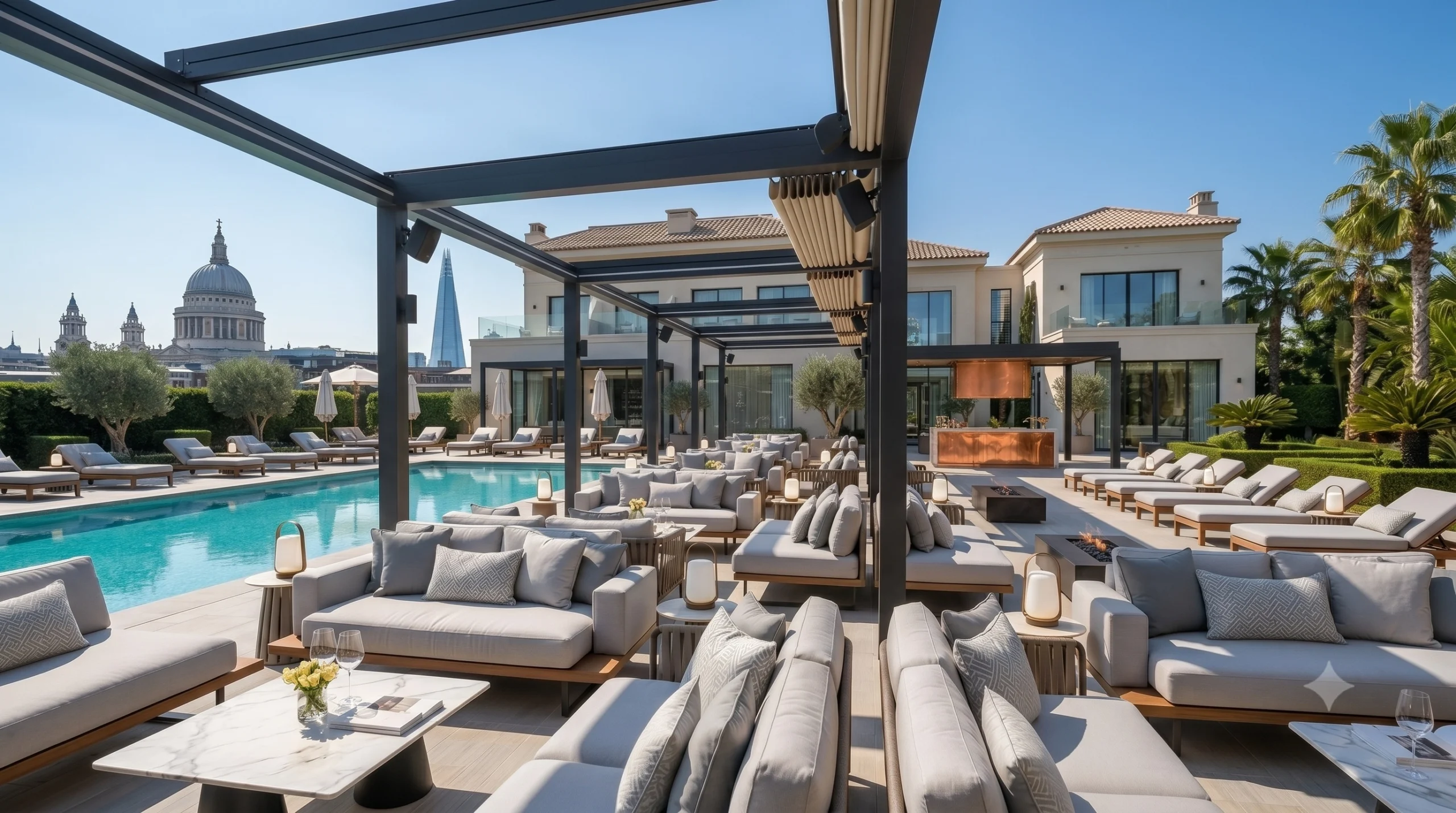
Outdoor restaurant furniture plays a crucial role in enhancing the dining experience during the warmer months, significantly aiding in customer attraction and retention. Establishments that capitalize on outdoor seating often find an uptick in patronage as many customers prefer enjoying their meals in a more open and natural setting. Therefore, selecting the right type of furniture is essential for maximizing outdoor space utilization.
When choosing outdoor furniture, weather resistance must be a primary consideration. British weather can be unpredictable, and outdoor furniture needs to withstand various conditions, including rain and wind. Materials such as aluminum, teak, and synthetic resins are often recommended for their durability and capacity to resist the elements. Additionally, treatments like weatherproof coatings can further enhance longevity, ensuring that your investment remains viable for years.
Design choices also play a significant role in effectively creating an inviting outdoor atmosphere. Sleek, modern designs can appeal to a younger demographic, while classic styles might attract a more traditional clientele. Factors such as color and finish not only reflect the overall theme of the restaurant but also impact comfort levels. For example, lighter colors may radiate warmth and brightness, while darker hues often provide a more sophisticated vibe.
Furthermore, outdoor furniture should be arranged to promote easy movement and accessibility, ensuring that customers are not only comfortable but also enjoy a hassle-free dining experience. Planning the layout strategically, with clear paths and thoughtful spacing, enhances both aesthetics and functionality.
In conclusion, investing in high-quality outdoor restaurant furniture is pivotal for establishments looking to capitalize on seasonal dynamics. By thoughtfully considering materials, design, and layout, restaurant owners can create an appealing outdoor environment that attracts customers and fosters enjoyment throughout the year.
Commercial Upholstery and Fire Retardant Furniture
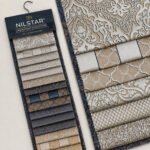
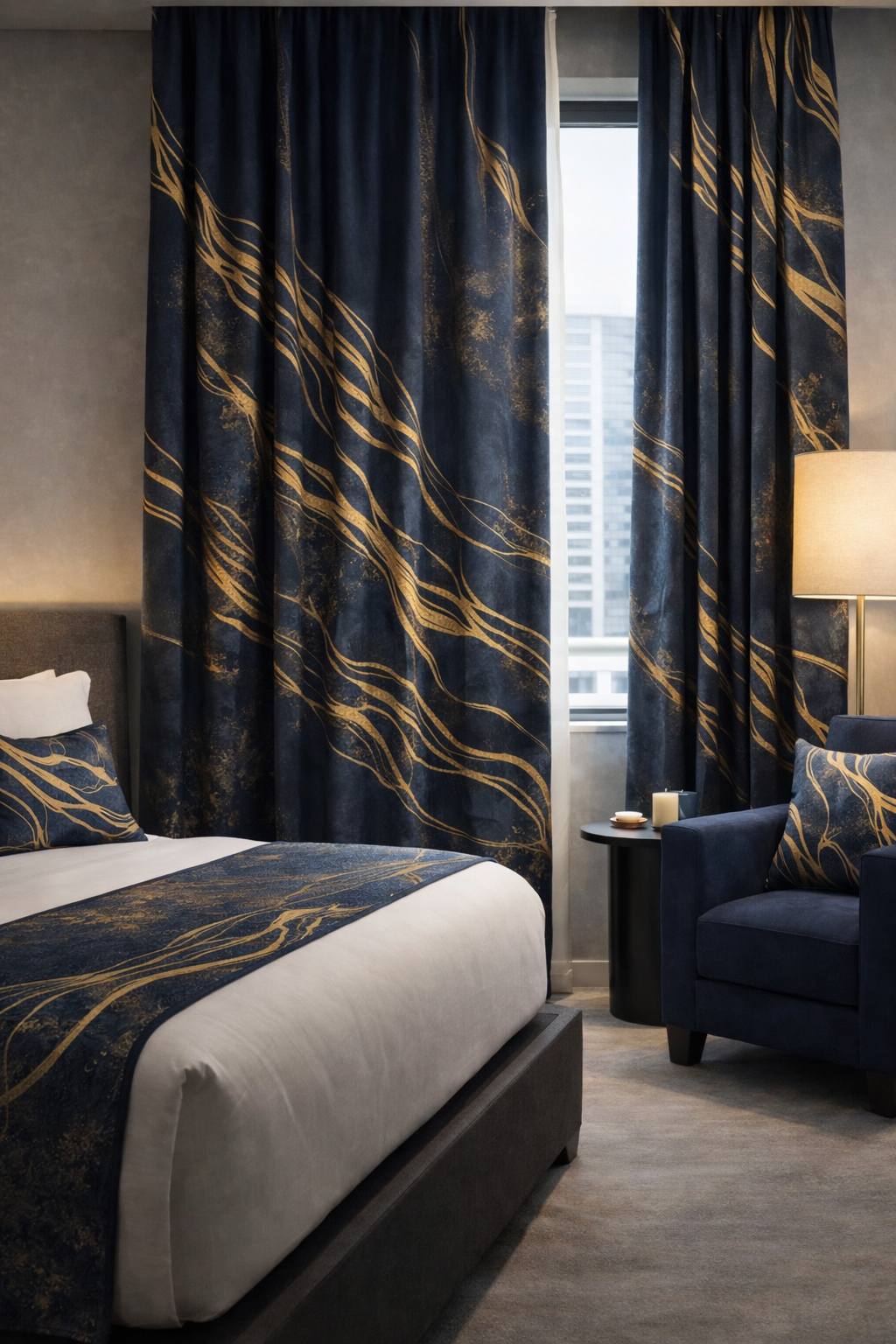
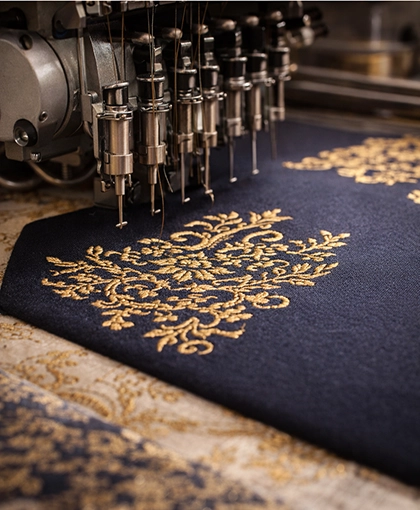
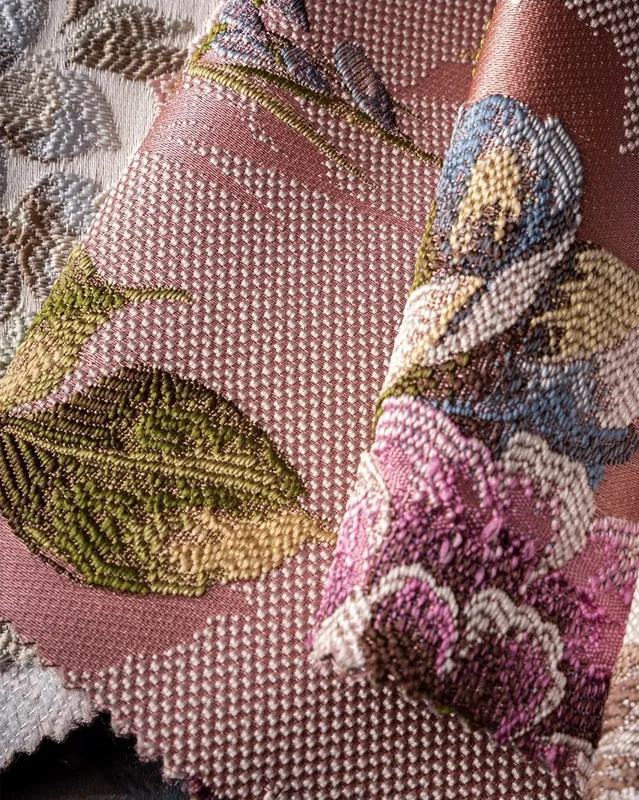
Upholstery plays a vital role in the aesthetics and durability of restaurant furniture. The choice of fabric, color, and texture can significantly affect the overall ambience of a dining space. When selecting upholstery for restaurant furniture, it is essential to consider materials that not only enhance the visual appeal but also exhibit substantial resistance to wear and tear. High-quality commercial upholstery can withstand the rigours of daily use, ensuring that chairs and booths maintain their appearance over time. Using durable materials not only reduces maintenance costs but also contributes to customer satisfaction as well-upholstered furniture typically provides better comfort.
Moreover, with the hospitality industry placing great emphasis on safety, fire retardant furniture has become a critical component of restaurant interior design. Fire retardant upholstery complies with the extensive regulations governing public establishments in the UK. This type of material undergoes treatment to slow down the combustion process, providing an additional layer of safety for both patrons and staff. Ensuring that all upholstered seating meets these fire safety standards is not just about compliance; it reflects a commitment to providing a secure environment within the restaurant.
Integrating fire retardant features into commercial upholstery not only protects the establishment from potential hazards but also reassures customers about their safety. Therefore, while making furniture choices, restaurant owners should prioritize upholstery that combines aesthetic appeal with fire safety. Investing in fire retardant furniture can enhance a brand’s reputation and mitigate risks associated with fire-related incidents. Overall, focusing on high-quality upholstery and fire retardant furniture is essential for creating a comfortable and secure dining experience.
Choosing Furniture for Different Restaurant Concepts
Selecting the right furniture for your restaurant is crucial for creating an appealing atmosphere that aligns with your brand identity and caters to your target clientele. As the hospitality industry evolves, restaurants must adapt their furniture choices to suit various dining concepts, from casual eateries to upscale fine dining establishments. This section will provide a comprehensive guide on how to choose furniture effectively based on different restaurant concepts.
First and foremost, consider your target clientele. A family-friendly restaurant may require more durable and easy-to-clean materials to withstand spills and frequent use, while a fine dining venue may benefit from plush upholstered seating that enhances comfort and aesthetic value. Each restaurant concept will naturally dictate the choice of materials, colors, and styles, ensuring that the furniture not only complements the food but also resonates with the customer base.
The atmosphere you wish to create is another critical factor in your furniture selection process. For instance, a casual eatery can utilize rustic wooden tables and bright, vibrant chairs to evoke a relaxed vibe. In contrast, a fine dining restaurant would likely opt for elegant, sophisticated furniture featuring rich fabrics and understated colors that create a more intimate setting. You must also consider the layout and flow of the space, ensuring there is ample room for diners and staff to navigate comfortably.
Lastly, the furniture should reflect your brand identity. Each piece should resonate with your restaurant’s theme, enhancing the overall dining experience. Whether you are leaning towards a modern aesthetic with sleek lines or a vintage vibe with ornate details, your furniture choices should echo your culinary philosophy. By carefully assessing these factors, you can select furniture that not only meets functional needs but also elevates the dining experience, striking a perfect balance between comfort, style, and brand integrity.
Sustainability in Restaurant Furniture
In recent years, the hospitality industry in the UK has witnessed an increasing emphasis on sustainability and eco-friendliness, particularly in the sourcing and manufacturing of restaurant furniture. As consumers become more environmentally conscious, restaurant owners are recognizing the importance of integrating sustainable practices into their operations, including the furnishings that create the atmosphere and functionality of their establishments.
One of the key areas to consider when it comes to sustainable restaurant furniture is the choice of materials. Eco-friendly materials such as reclaimed wood, bamboo, and recycled metals are gaining popularity for their minimal environmental impact compared to traditional materials. Reclaimed wood, for example, not only reduces waste by repurposing old wood, but it also provides unique aesthetic qualities that add character to restaurant interiors.
Additionally, manufacturers are increasingly adopting sustainable practices in furniture production. This includes using non-toxic finishes and adhesives that are free from harmful chemicals, which contribute to better indoor air quality. Moreover, the adoption of environmentally friendly manufacturing processes can significantly reduce carbon footprints. This encompasses energy-efficient production techniques and reducing waste generated in the manufacturing process.
Moreover, the use of sustainable furniture is not only beneficial for the environment but can also enhance a restaurant’s brand image. Consumers are more likely to support businesses that demonstrate a commitment to sustainability. By showcasing eco-conscious furniture choices, restaurant owners can attract a growing demographic of eco-aware consumers who prioritize sustainability in their dining selections.
In essence, embracing sustainability in restaurant furniture is a multifaceted approach that involves selecting eco-friendly materials, adopting responsible manufacturing practices, and enhancing customer appeal. As the importance of sustainable practices continues to grow within the industry, investing in environmentally friendly furniture is not only a responsible choice but a strategic business decision.
Frequently Asked Questions
When it comes to restaurant furniture, several common questions arise among restaurateurs and hospitality professionals. Addressing these queries can help streamline the selection process and ensure that the chosen pieces meet both aesthetic and functional needs.
1. What are the main considerations for maintaining restaurant furniture?
Regular maintenance is crucial for prolonging the life of restaurant furniture. Different materials require different care regimes; for instance, wooden furniture should be polished and checked for scratches or dents, while metal pieces often need to be wiped down to prevent rust. Upholstered items should be cleaned according to their fabric care instructions, and frequent vacuuming can help maintain their appearance. Additionally, ensuring that all furniture is secured and stable can prevent accidents and damage.
2. How much should I expect to spend on restaurant furniture?
The cost of restaurant furniture can vary significantly based on quality, material, and design. On average, budget-conscious restaurateurs may spend anywhere between £50 to £250 per table, while high-end establishments might find prices ranging from £500 to £1000 or more. It’s vital to balance quality with budget; investing in durable furniture can save costs in the long run as it requires less frequent replacement.
3. What trends are currently influencing restaurant furniture design?
The restaurant furniture industry is continually evolving, with current trends leaning towards sustainable materials and versatile designs. Eco-friendly furniture made from recycled or reclaimed wood is gaining popularity, reflecting a commitment to sustainability in the hospitality sector. Additionally, modular furniture that can be rearranged to accommodate different group sizes is in demand, allowing for versatility in dining arrangements. Aesthetics also play a vital role, with modern minimalist designs being favored by contemporary restaurants.
Conclusion
Throughout this guide, we have discussed the critical role that restaurant furniture plays in the UK hospitality industry. From selecting the right seating arrangements to ensuring functionality and aesthetics, every element contributes to the dining experience. The considerations involving the type of furniture can greatly influence customer satisfaction, staff efficiency, and overall ambiance. It is essential for restaurant owners to make informed choices that not only reflect their brand image but also meet the needs of their clientele.
We highlighted various aspects of restaurant furniture, including material durability, style consistency, and comfort. We also explored how thoughtful furniture selection can lead to an efficient and enjoyable dining environment. Using versatile pieces and focusing on quality can elevate the establishment’s appeal and longevity. Additionally, it is vital to stay informed about trends and innovations in the hospitality sector that cater to both functionality and aesthetic preferences.
In the realm of reliable furniture suppliers, Nilstar® emerges as a significant leader in the market, offering a diverse range of hospitality textiles and furniture solutions. Their emphasis on innovation and style can assist restaurateurs in curating an exceptional environment that resonates with guests. By providing high-quality options that unify practicality and elegance, Nilstar® proves to be a valuable partner in enhancing restaurant operations.
As you contemplate updates or overhauls to your restaurant’s furniture, consider the insights presented in this guide. The right choices in restaurant furniture not only enhance the visual appeal of your space but also contribute to an improved overall operational efficiency. Embrace modern options and focus on creating a unique dining experience that will attract and retain customers in the competitive UK hospitality landscape.