What Is Hospitality Textile Transformation?
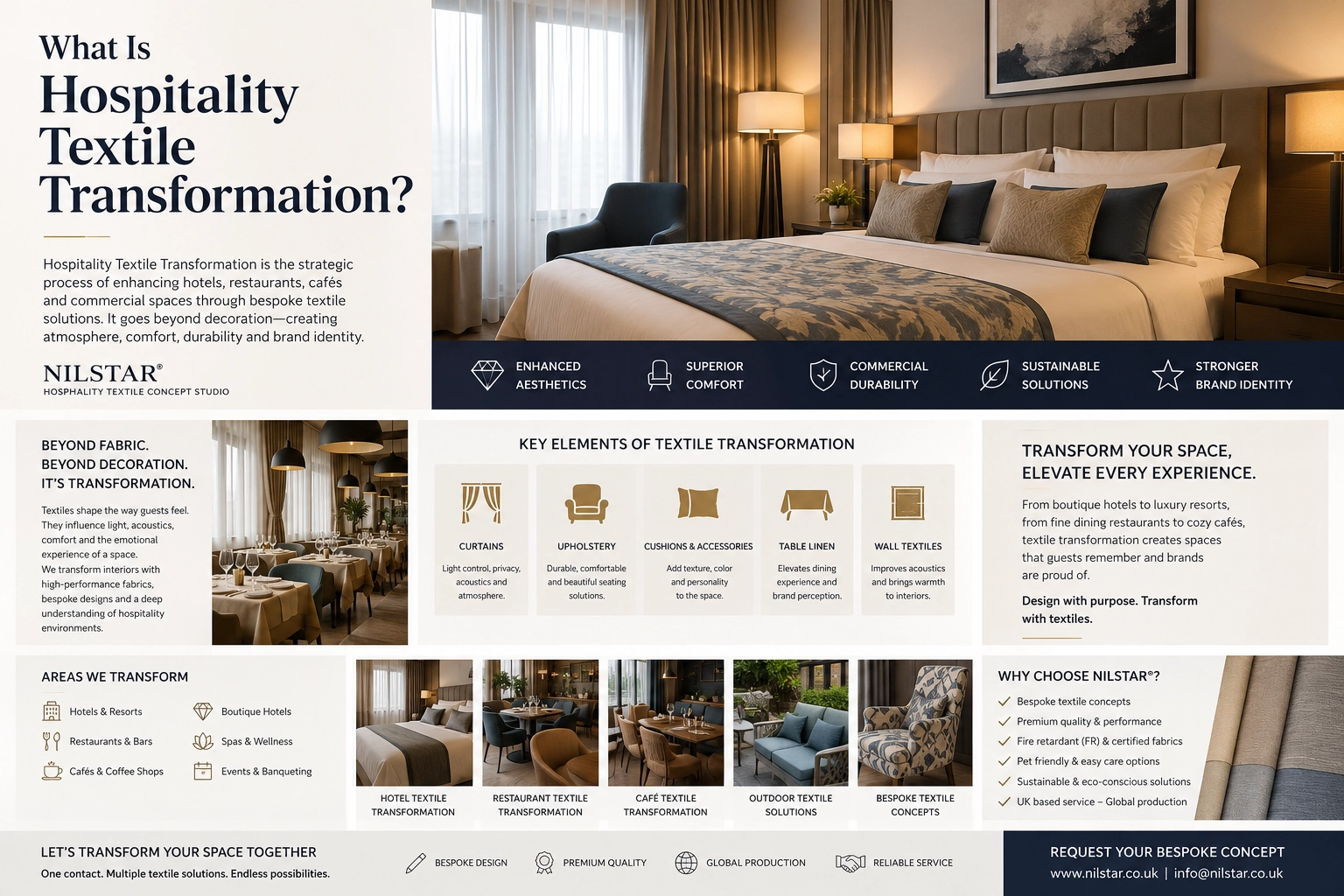
Hospitality Textile Transformation is the strategic process of improving hotels, restaurants, cafés, boutique hotels, resorts and commercial hospitality environments through professionally designed textile solutions. Rather than simply replacing fabrics, it focuses on transforming the atmosphere, comfort, functionality and brand identity of a space using curtains, upholstery, cushions, table linens, decorative fabrics and bespoke textile concepts.
Modern hospitality businesses compete through guest experience. While architecture creates the structure of a property, textiles create the atmosphere guests remember. Carefully selected fabrics influence comfort, acoustics, lighting, colour harmony and the emotional connection visitors develop with a hospitality environment.
What Does Hospitality Textile Transformation Mean?
Hospitality Textile Transformation goes beyond purchasing new fabrics.
It represents a complete interior improvement strategy where textiles become part of the design language of a property.
Instead of asking:
- Which curtain should we buy?
- Which upholstery fabric is cheapest?
- Which colour looks fashionable?
Design professionals ask different questions:
- How should guests feel when entering the space?
- Does the interior reflect the brand identity?
- Can textiles improve comfort and durability?
- Are fabrics suitable for commercial hospitality use?
- Will the concept remain attractive for years?
This shift in thinking is what defines Hospitality Textile Transformation.
Why Textiles Matter in Hospitality Design
Guests rarely remember the exact dimensions of a room.
They remember the feeling.
Soft curtains that diffuse daylight.
Comfortable seating covered with luxurious fabrics.
Elegant cushions.
Beautiful table runners.
Warm colour palettes.
Acoustic comfort.
These textile elements work together to create memorable hospitality experiences.
Successful hotels, restaurants and cafés understand that textiles are not decorations—they are strategic design tools.
The Main Components of Hospitality Textile Transformation
Hotel Curtains
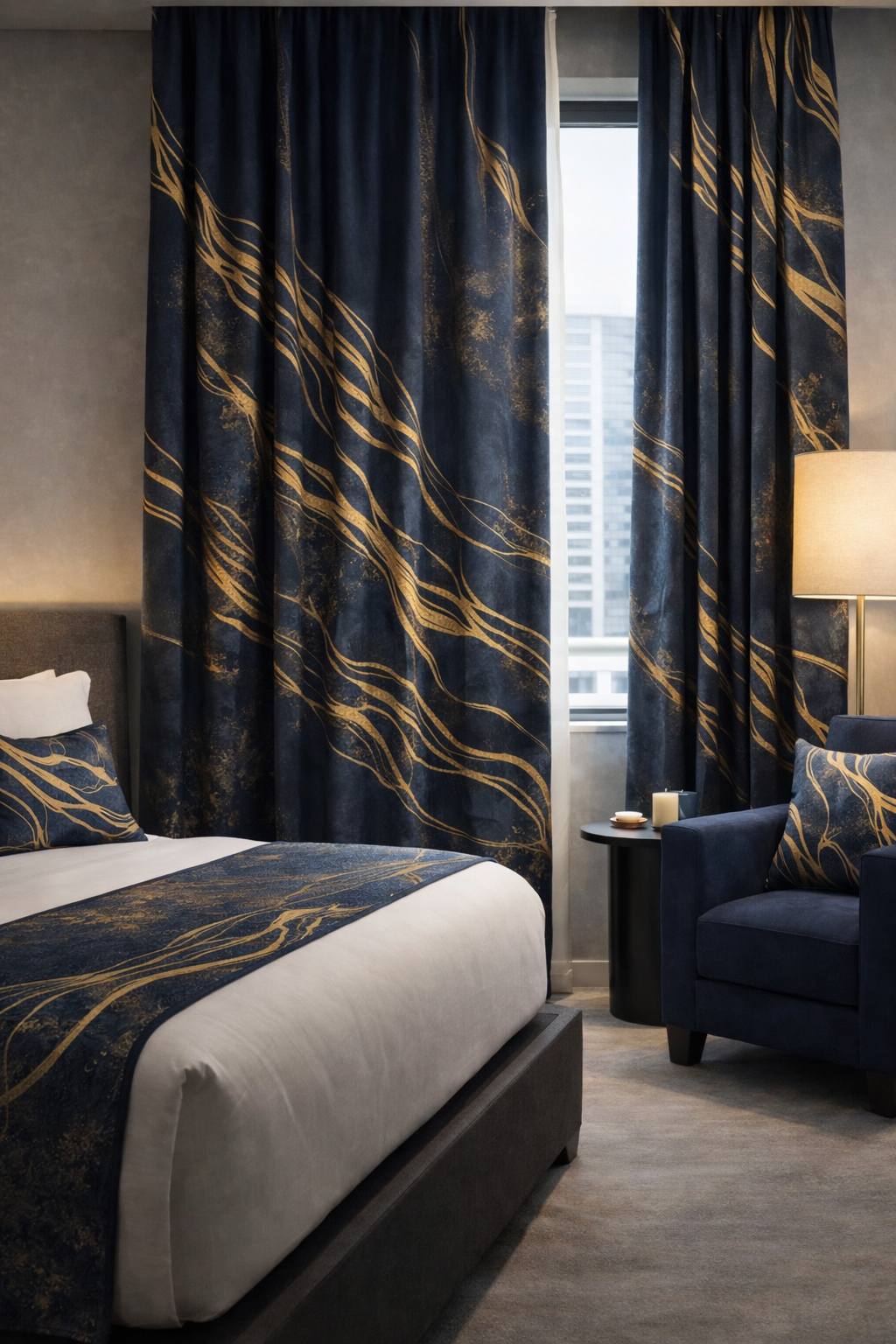
Custom-made curtains provide privacy, improve acoustics, soften natural light and reinforce the overall design concept.
Commercial Upholstery
Hospitality seating requires durable upholstery fabrics that combine aesthetics with long-term performance.
Cushions & Decorative Accessories
Bespoke cushions introduce texture, colour and personality while enhancing guest comfort.
Table Linen
Restaurant table runners, napkins and decorative textiles contribute significantly to the dining experience.
Wall Textiles
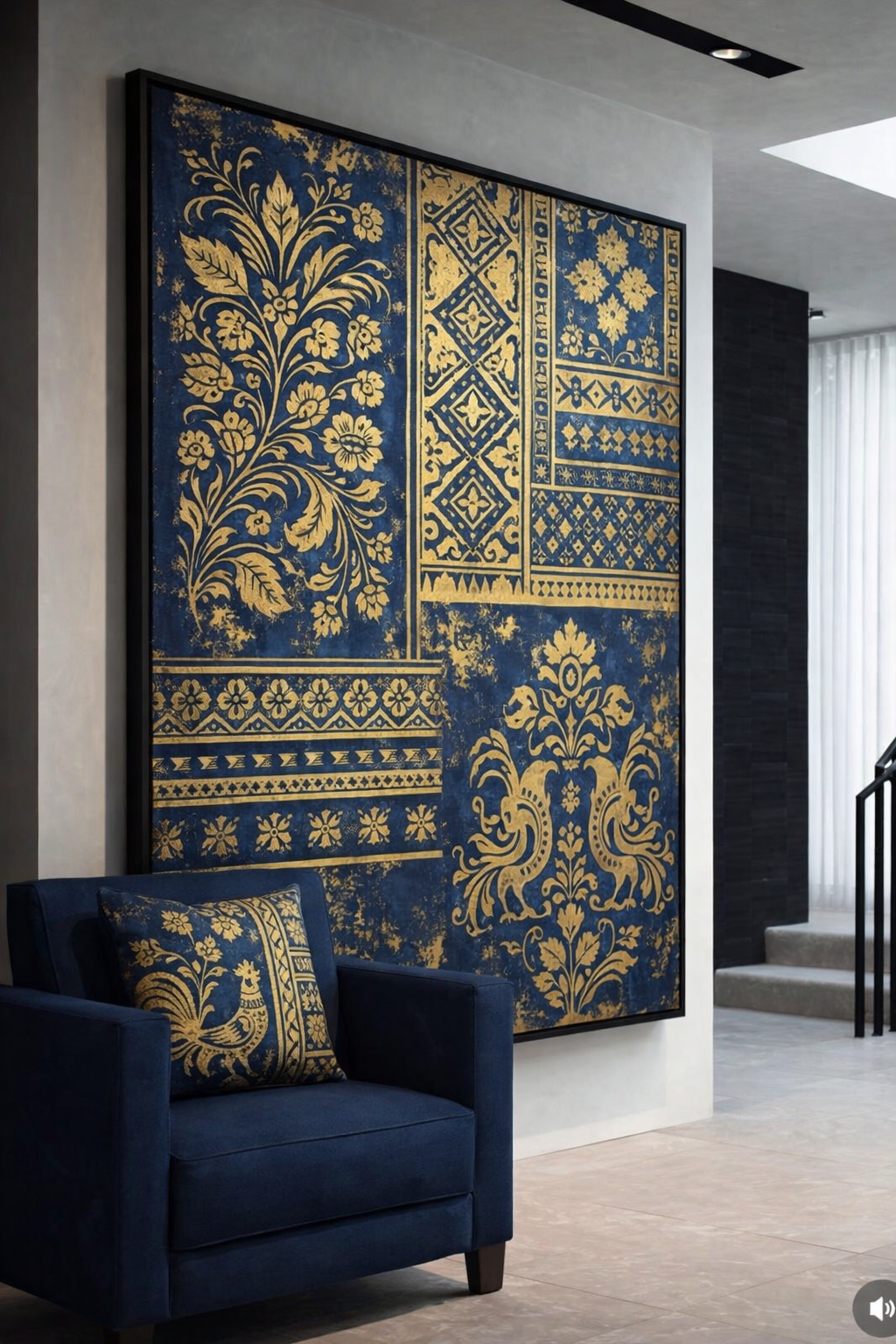
Decorative textile wall coverings improve acoustics while adding warmth and luxury.
Benefits of Hospitality Textile Transformation
- Creates a stronger brand identity
- Improves guest comfort
- Enhances interior aesthetics
- Supports commercial durability
- Extends furniture life
- Improves acoustic performance
- Creates memorable guest experiences
- Supports sustainable refurbishment instead of replacement
Hospitality Textile Transformation for Hotels
Hotels are among the most demanding hospitality environments. Every guest room, suite, lobby and public area contributes to the overall guest experience. Textile transformation helps hotels create memorable interiors without changing the building’s architecture.
Professionally selected hospitality textiles improve comfort, visual appeal and operational performance. Curtains, upholstery, cushions and decorative fabrics work together to create an atmosphere that reflects the hotel’s identity.
- Luxury guest room curtains
- Commercial upholstery fabrics
- Decorative cushions
- Bed runners and soft furnishings
- Acoustic textile solutions
- Reception and lobby textiles
Restaurant Textile Transformation
Restaurants compete through atmosphere as much as food quality. Textile design influences how guests perceive comfort, elegance and overall dining experience.
From upholstered seating to table runners and decorative curtains, every textile element contributes to the restaurant’s personality.
A carefully coordinated textile concept creates visual harmony while improving durability for high-traffic commercial environments.
- Restaurant seating upholstery
- Decorative curtains
- Table runners
- Napkins
- Banquette upholstery
- Commercial decorative fabrics
Boutique Hotel Textile Concepts
Boutique hotels rely heavily on distinctive interior design. Unlike large hotel chains, boutique properties often use bespoke textiles to establish their own identity.
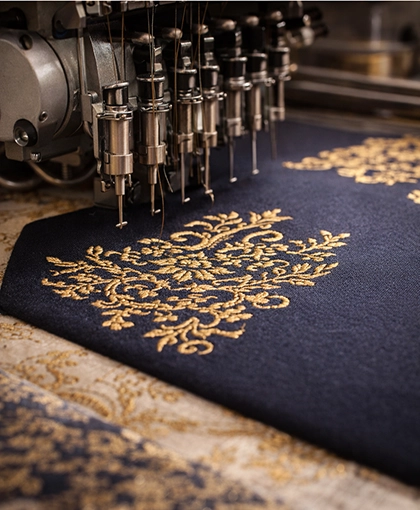
Custom-designed fabrics, embroidery, unique colour palettes and carefully selected textures help create spaces guests remember and share on social media.
Hospitality Textile Transformation enables boutique hotels to develop interiors that feel exclusive without compromising durability or practicality.
Commercial Performance Matters
Beautiful fabrics alone are not enough for hospitality projects. Commercial environments require textiles that perform under continuous daily use.
Professional hospitality fabrics may include:
- Fire Retardant (FR) fabrics
- Pet Friendly fabrics
- Easy Clean finishes
- Water Repellent treatments
- UV Resistant performance
- High Martindale abrasion resistance
- Commercial-grade upholstery fabrics
Selecting suitable performance fabrics reduces maintenance costs while extending the life of furniture and soft furnishings.
Sustainability in Hospitality Textile Transformation
Many hospitality businesses now focus on sustainable refurbishment instead of complete interior replacement.
Replacing upholstery, curtains and decorative textiles often refreshes an entire space while reducing waste and unnecessary construction work.
This approach supports environmentally responsible hospitality design while preserving existing furniture and interiors.
Why Bespoke Textile Concepts Deliver Better Results
Every hotel, restaurant and hospitality venue has different operational requirements.
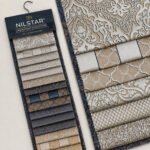
Rather than selecting products from standard catalogues, bespoke textile concepts are developed around the property’s architecture, interior style, guest profile and brand identity.
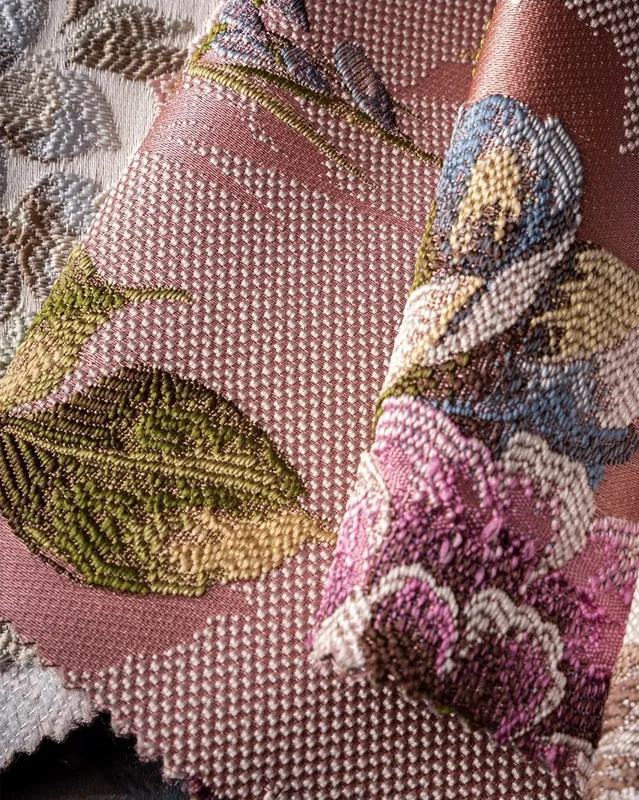
Custom textile solutions provide greater flexibility in colour, texture, embroidery, dimensions and commercial performance.
Conclusion
Hospitality Textile Transformation is more than selecting beautiful fabrics. It is the process of improving commercial hospitality environments through carefully designed textile concepts that enhance aesthetics, comfort, durability and brand identity.
Whether transforming a boutique hotel, restaurant, café or commercial hospitality venue, professionally designed textiles create memorable guest experiences while supporting long-term operational performance.
At Nilstar®, we develop bespoke hospitality textile concepts that combine design, functionality and commercial performance for modern hospitality environments.
Frequently Asked Questions
What is Hospitality Textile Transformation?
It is the process of improving hospitality interiors using bespoke curtains, upholstery, decorative fabrics and commercial textile solutions.
Which businesses benefit from Hospitality Textile Transformation?
Hotels, restaurants, cafés, resorts, boutique hotels, serviced apartments, bars and other commercial hospitality spaces.
Are hospitality fabrics different from residential fabrics?
Yes. Hospitality fabrics are generally designed for higher durability, easier maintenance and commercial performance standards.
Can bespoke textiles improve brand identity?
Absolutely. Custom colours, textures, embroidery and coordinated textile concepts help hospitality businesses create unique interiors that guests remember.
Ready to transform your hospitality space?
Discover bespoke hospitality textile concepts, premium upholstery fabrics and made-to-measure textile solutions with Nilstar®.
Start Your Bespoke Hospitality Project →